Polk County adopts industrial high‑load/site impact permit policy after public hearing
Loading...
Summary
Polk County Commissioner’s Court adopted a new industrial high‑load (also referred to in the record as 'industrial highway facility') site impact permit policy and fee schedule after a public hearing in which residents urged transparency and independent impact analysis for proposed large‑scale data centers and AI facilities.
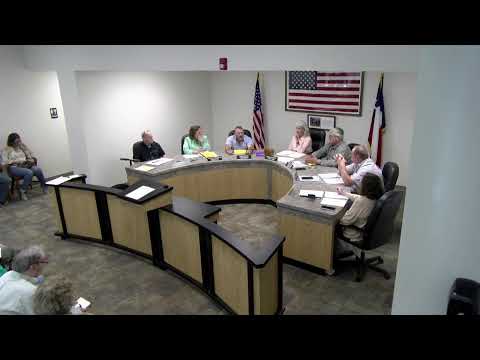
Polk County Commissioner’s Court voted to adopt a new industrial high‑load/site impact permit policy and accompanying fee schedule following a public hearing attended by residents and officials.
The policy — described in the hearing materials as the "industrial high‑load site impact permit policy" and later in the agenda as the "industrial highway facility site impact permit policy" — requires developments that draw 1 megawatt or more of electricity, operate more than 18 hours a day, or use large‑scale cooling systems (examples noted in the discussion: data centers, AI computing facilities, cryptocurrency mining) to submit detailed, engineer‑stamped plans addressing electricity, water, noise, traffic, drainage and fire safety and to pay an engineer review fee (refundable if unused) and applicable permit/inspection fees. The court and staff emphasized the policy is not zoning and "does not tell a business where it can or can't locate"; instead it aims to ensure developers demonstrate how they will avoid harming county infrastructure and neighboring properties.
Why it mattered: Public commenters told the court the county should require transparency and independent impact analysis before major projects arrive. Carolyn Bischoff, a retired educator, urged the court to press the state for safeguards, saying the resolution and policy were a proactive step to protect Polk County’s timberlands and water resources: "The court is not saying no to growth, but instead it says growth must be responsible," she said. Another caller, Jay Jackson, said he opposed such projects on economic and service‑level grounds and warned of higher utilities and reduced emergency response if services become automated. Randy Moore, who said he runs a land‑and‑title business and does AI development work outside Texas, asked whether any court members had been approached by companies seeking to locate facilities in Polk County; court members answered that none had contacted them and characterized the policy as proactive rather than a response to a specific local application.
The court discussed grandfathering: businesses already operating lawfully before the policy takes effect would generally be grandfathered unless they expand. Commissioners emphasized county limits under Texas property‑rights law and that the policy's principal effect is to require upfront impact information rather than to prohibit technology or dictate business operations.
Next steps and implementation: The policy was moved, seconded and approved during the regular session. County staff said the policy can be made effective immediately but noted its practical effect could depend on subsequent state action in response to the county’s resolution. Implementation requirements described during the hearing include engineer‑stamped technical plans, an engineer review process, permit and inspection compliance and meeting county fire codes.
Documents and where to find them: The public hearing notice was published in the Polk County Enterprise on 04/02/2026, and the full proposed policy and fee schedule were made available on the county website and in the commissioners' packets.