Get Full Government Meeting Transcripts, Videos, & Alerts Forever!
Get email alerts on the Transit topic
No spam. Unsubscribe anytime.
Homewood hears plan for Community Foundation‑funded microtransit pilot
Summary
City officials heard a presentation April 13 on a proposed 1.25‑year microtransit pilot for Homewood, with the Community Foundation offering $800,000 to fund startup and initial operations. BJCTA would manage the service and Via would provide app‑based vans; council members raised questions about fleet size, zones and long‑term costs.
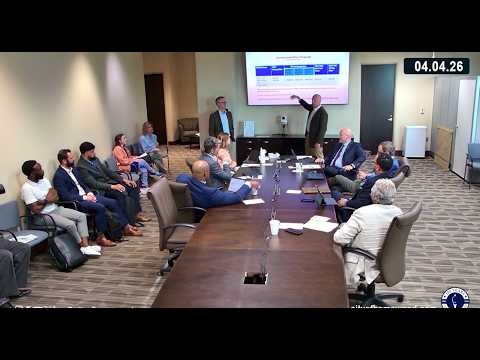
Homewood City Council on April 13 heard a detailed presentation on a proposed microtransit pilot that proponents say would expand on‑demand van service across the city and supply data to guide any future local funding decisions. A Community Foundation representative told the council the foundation has approved $800,000 to cover a 1.25‑year pilot and startup costs, and said that the pilot would give the city time to evaluate demand before committing city funds.
The Community Foundation representative described microtransit as a workforce and access issue and said, "we are the only state in the country that does not provide state funding for public transportation," arguing that local pilots can expand job access. A Via representative summarized the service: "Essentially, it is an on demand transit service using vans that pick up passengers ... using their software, very sophisticated, in the most efficient way possible." Presenters said the service can average roughly 10–13 minutes for pickup in other pilots and can operate flexibly within a defined zone.
Why it matters: proponents said microtransit can connect Homewood residents to jobs, medical appointments and UAB more quickly than some fixed routes, reduce parking pressure in high‑demand areas and provide wheelchair‑accessible options. The Foundation framed its $800,000 offer as covering the pilot so the city faces no initial financial risk while data are collected.
How it would work: presenters said BJCTA would manage the contractual relationship and that Via would run the app‑based service. Initial pilot design discussed Monday included up to three vehicles operating inside a Homewood zone on weekdays (5 a.m.–9 p.m.) and limited Saturday service; planners said the design can be adjusted (service hours, zone size, vehicle hours) if demand differs from projections. Fare examples in other pilots were cited at $1.50 per ride during early operations, but presenters cautioned fare revenue would cover only a small portion of operating costs.
Council concerns and tradeoffs: council members pressed presenters on service limits — notably what happens when riders need to travel outside the Homewood zone — and on how a small fleet would perform during peak demand such as school runs or entertainment district evenings. One councilor asked whether the system could expand across municipal boundaries so riders could travel without transfers; presenters said inter‑jurisdictional expansion is possible but would require broader coordination and additional funding. Another councilor raised budget questions and asked how quickly additional vehicles could be added; presenters said operational changes can be made in roughly a week or two and that costs scale with vehicle hours.
Next step: Staff indicated the proposal will be posted for formal council consideration in two weeks so members can vote on an amendment to the BJCTA contract to permit the pilot and accept the Foundation’s funding for initial operations.