Get Full Government Meeting Transcripts, Videos, & Alerts Forever!
Get email alerts on the Housing Policy topic
No spam. Unsubscribe anytime.
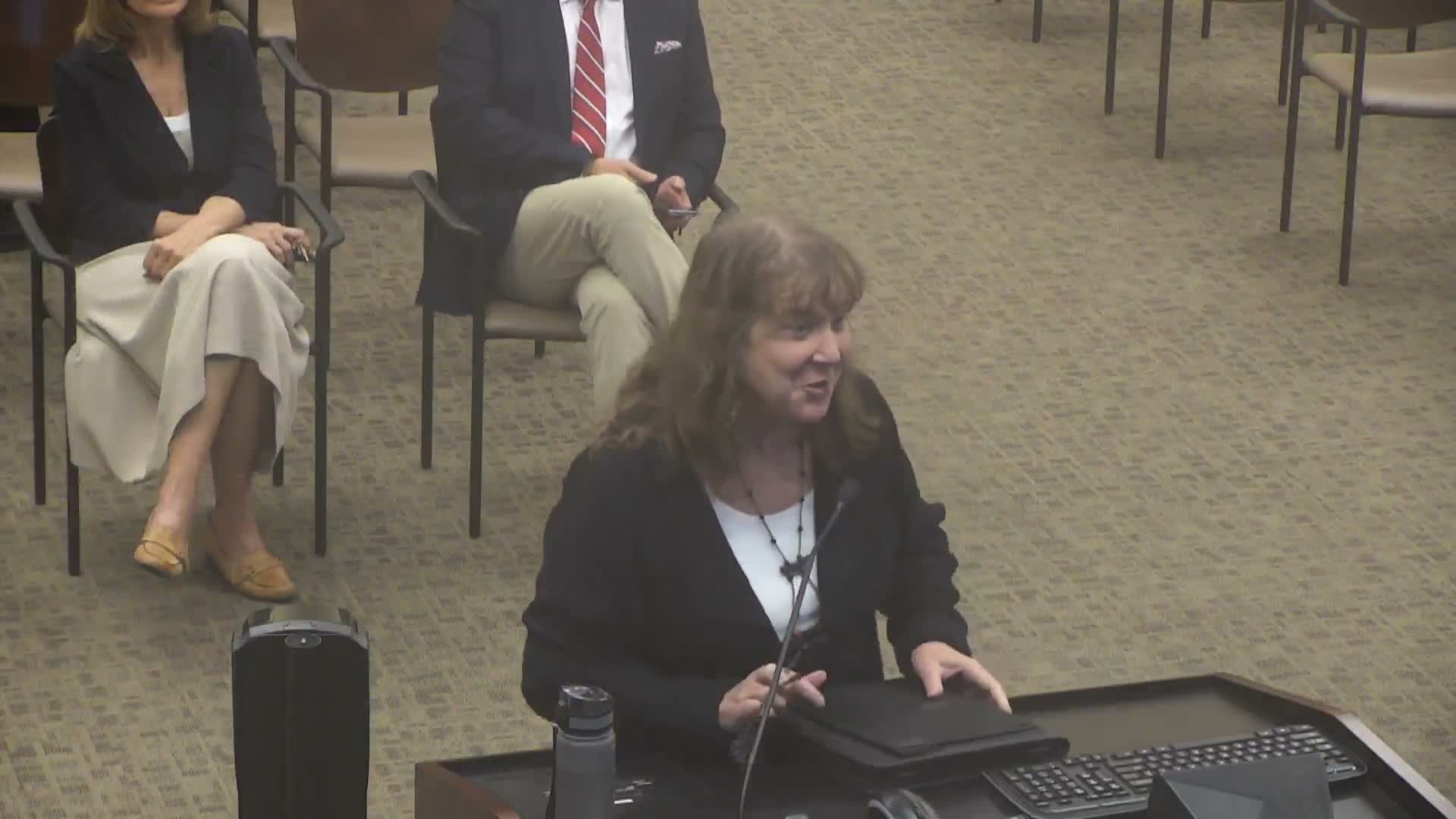
Consultant Martina Kuehl presents draft Unincorporated Pinal County housing plan, recommends nonprofit partner and site pilots
Summary
Consultant Martina Kuehl told the Board the draft housing plan (Arizona Department of Housing grant) targets 10‑year goals including 150 rental units for lowest‑income households, 140 homeownership opportunities and rehabilitation or replacement of 100 homes, and recommends piloting development at county land such as 11 Mile Corner.
Martina Kuehl, the consultant leading the Unincorporated Pinal County housing plan, presented a draft that she said was funded by an Arizona Department of Housing grant and developed through 15 months of assessments, outreach and interdepartmental work. Kuehl told the Board the plan’s purpose is to support economic vitality by increasing housing availability and affordability across income levels.
Kuehl summarized key findings from the housing needs assessment: migration accounted for about 80 percent of household growth between 2017 and 2022, about half of in‑migrants came from Maricopa County, and that pattern contributed to prolonged demand for single‑family homes. She gave long‑term comparisons showing the median home value rising from roughly $131,500 in 2013 to about $370,600 in 2023 and median rent rising from about $905 to $1,400 monthly over the same period.
On needs and targets, Kuehl said the plan identifies approximately 296 low‑income renters paying more than 50 percent of their income on rent and proposes 10‑year goals to address half of that need: roughly 150 rental homes for lowest‑income renters, 140 homeownership opportunities targeted to middle and higher‑income renters, and rehabilitation or replacement of about 100 homes. "We would be looking at creating a strong foundation," she said, naming the 11 Mile Corner site as a primary candidate for a pilot development and urging the board to seek a nonprofit development partner.
Kuehl described policy and program actions falling into three focus areas — capacity, preservation and development — and recommended policy tools such as land‑use restriction agreements, land leases, covenants and seed funding to attract nonprofit partners. She said some rehabilitation assistance is grant‑based for emergency repairs while larger rehabilitation projects can carry liens that are forgivable after a period during which the homeowner remains in place.
The consultant presented results from employee and resident surveys showing a preference for housing that resembles single‑family homes and strong support for preservation and homeownership strategies; she also recommended a public education campaign and a developable‑sites map to communicate where different housing types might be located.
Kuehl said the draft plan will be posted for a 30‑day public comment period and staff will return in early May with a refined plan for Board consideration. Supervisors asked technical questions about rehabilitation eligibility, lien terms and bidding for refurbishment contracts; Kuehl and Office of Budget and Finance staff described CDBG and HOME resources as likely funding sources and explained procurement procedures used for owner‑occupied housing rehab projects.
Next steps: the plan will take public comments, be refined, and implementation is anticipated to begin in the next fiscal year pending Board commitment and partner identification.