Get Full Government Meeting Transcripts, Videos, & Alerts Forever!
Get email alerts on the Nonprofit Services topic
No spam. Unsubscribe anytime.
United Way of Pinal County CEO Alan Villalobos details education, workforce and financial‑stability programs
Summary
Alan Villalobos, CEO of United Way of Pinal County, told the Board the nonprofit mails about 130,000 books annually through the Imagination Library, runs GED vouchers and workforce supports, and has programs for financial education, tax help and prescription savings across all 21 ZIP codes.
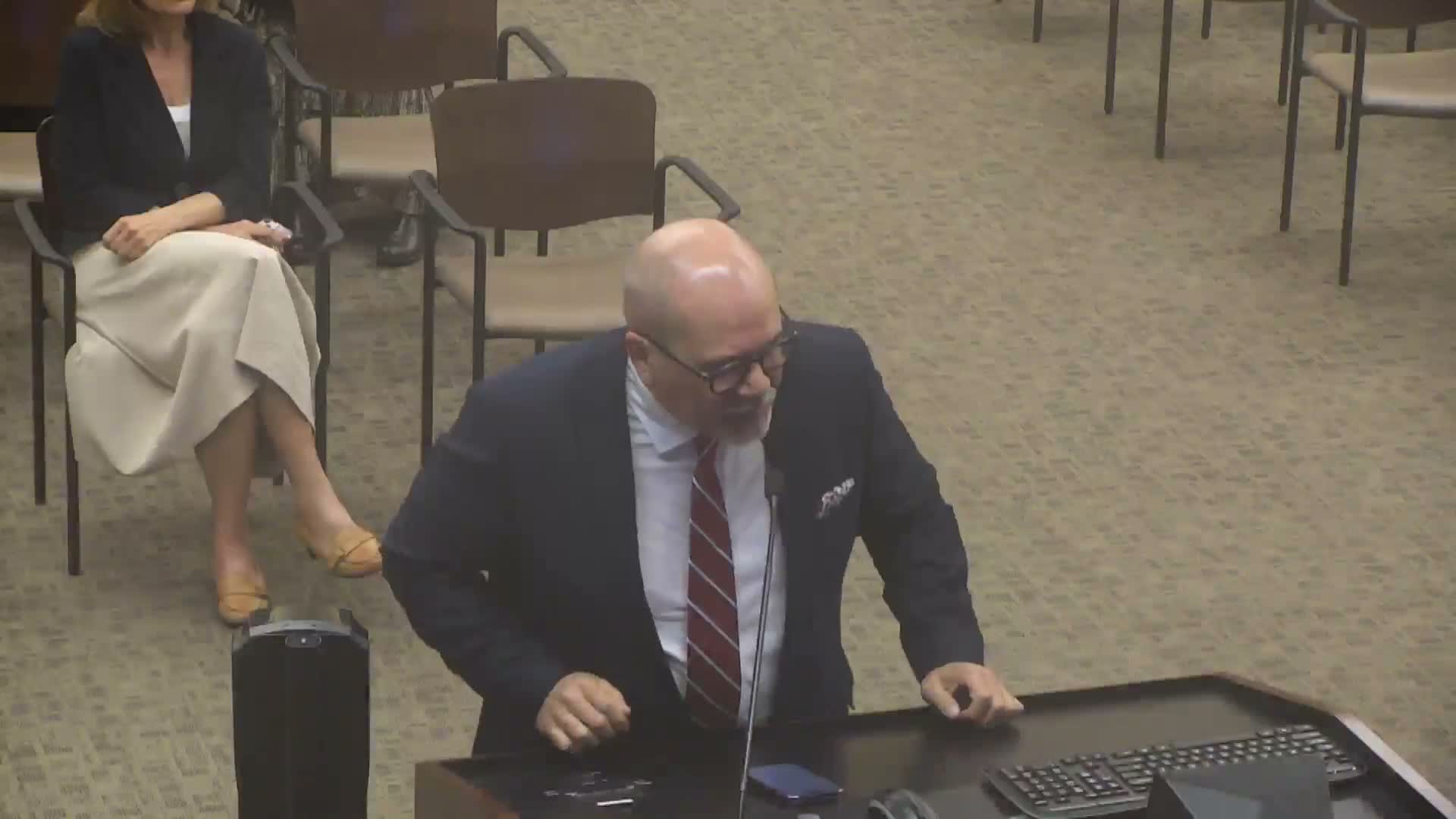
Alan Villalobos, CEO of United Way of Pinal County, presented the nonprofit’s portfolio to the Pinal County Board of Supervisors and described efforts to "improve people's lives in Pinal County." Villalobos said United Way was founded in 1981 and is preparing to brief every city council in the county about its programs.
Villalobos highlighted education initiatives, including a partnership with the Dolly Parton Imagination Library that he said mails about 130,000 books each year and currently enrolls more than 3,000 children across the county’s 21 ZIP codes. He said third‑grade reading proficiency in the county sits at roughly 27 percent and that 14 percent of adults lack a high‑school diploma, framing early literacy as a priority for workforce readiness.
On adult education, Villalobos described the Path to Success GED scholarship program, started during the pandemic, which has provided about 398 vouchers to residents working to complete a high‑school equivalency. He said the agency partners with Central Arizona College to help participants graduate and connect to employment.
Villalobos outlined United Way’s financial‑stability work — transportation assistance, car repairs and distribution of new bicycles for jobseekers — and the skilled workforce program, which offers up to $3,000 per person for trade or vocational training; he said 52 participants have used that support so far. "We’re investing," he said, "and hopefully, when we have some numbers behind us, we can actually go out there and talk to the financial institutions and banks to provide financial support for this particular program." (Alan Villalobos)
The nonprofit also runs a financial‑education program it launched with a dedicated educator in October; Villalobos said United Way has provided 59 classes reaching 547 children and adults, and that 90 percent of participants reported they would change how they spend after the class. He cited countywide indicators — fewer than 25 percent of households follow a budget and roughly 25 percent of households pay more than 30 percent of income for housing — to explain demand for the program.
Villalobos described other services: volunteerpinal.org for volunteer coordination; online tax‑preparation access at myfreetaxes.com; and a prescription savings card United Way distributes that it said has saved more than $3,000,000 for county residents. He closed by noting United Way’s transparency ratings from third‑party evaluators.
Board members thanked Villalobos, asked clarifying questions about the poverty and literacy figures, and offered in‑kind help such as local vendor connections for bicycles. The chair then closed the United Way agenda item and moved on to the housing plan presentation.