Lifetime Citizen Portal Access — AI Briefings, Alerts & Unlimited Follows
Appellate panel hears dispute over enforcement of $650,000 settlement after contested home sale
Loading...
Summary
At oral argument, petitioners said respondents breached a settlement requiring sales of two homes to fund a $650,000 payout, arguing a listing at $899,000 and acceptance of a single offer 12 days later failed to meet Article 6's 'all efforts' requirement; respondents said market conditions and repairs justified the sale and prior orders limit relitigation.
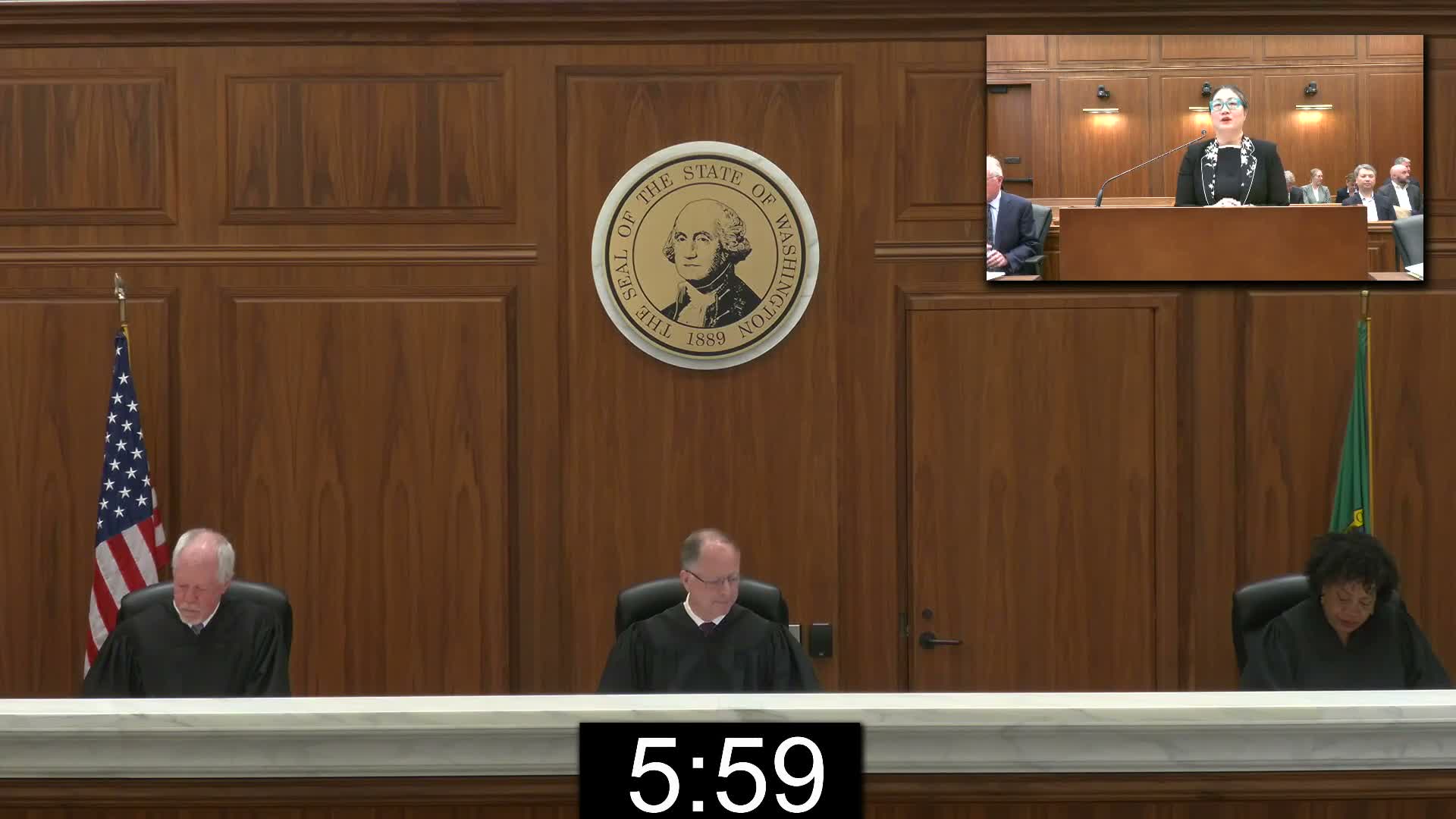
At oral argument before an appellate panel, Boy Choi, counsel for the petitioners, said the case turns on whether respondents followed a settlement provision requiring them to use "all efforts" to obtain the maximum sale price for a home securing a $650,000 settlement obligation.
Choi told the court petitioners had presented multiple appraisals and evidence that reasonable market value exceeded $1,000,000 and argued that respondents listed the home at $899,000 and accepted the only offer 12 days after the listing, on October 25, 2022. "The listing went on the market on 10/12/2022," Choi said, and "they took the first offer and only offer on October 25, which is only 12 days after." He urged the court to find a breach of Article 6 or, if factual questions remain, to allow appellants a forum to litigate them at trial.
Plaintiffs' counsel Jeff Keen asked the court to affirm the trial court's refusal to reopen the matter, to uphold liability and CR-eleven sanctions, and to lift a stay of execution. Keen described the underlying conduct in stark terms, saying the defendant "essentially stole $500,000 from our clients, who are elderly Chinese people" and urging the court that defendants had failed to rebut the assertion of bad faith.
The panel pressed both sides on the proper procedural route. Counsel debated whether enforcement of the settlement is a question of law for summary judgment review or whether disputed facts—comparables, property condition, marketing time and offers—require an evidentiary hearing or jury testing. Counsel for plaintiffs cited remedies under Rule 60 and appellate precedent; petitioners pointed to case law they said controls the standard for evaluating a trustee or agent's duty to test the market.
Both sides addressed marketplace timing: plaintiffs said they invested in repairs and watched interest rates rise between May and September 2022 (counsel cited an increase from about 3% to about 7%), which they said depressed prices during the listing period; petitioners countered that taking the property down from listing shortly after receiving a single offer showed inadequate marketing effort.
Counsel also debated procedural history. A panel judge observed that similar arguments had been raised repeatedly in earlier proceedings and asked why petitioners returned in 2025 to press the same Section 6 claim. Plaintiffs' counsel said objections had been raised to the trial judge on multiple occasions and that a later, unexpected motion revived the dispute before a planned foreclosure.
No ruling was announced from the bench. The panel asked clarifying questions, heard final assertions about appraisals, marketing steps and precedent (including cited authorities such as Allard, Mead v. Park and Lean v. Demopolis), thanked counsel and concluded oral argument.
The court's next steps—whether to issue a written opinion resolving the enforcement question, remand for factual development, or order other relief—were not stated on the record.