Lifetime Citizen Portal Access — AI Briefings, Alerts & Unlimited Follows
ORNL group leader says quantum computing could speed materials and drug discovery
Loading...
Summary
Ryan Binnick of Oak Ridge National Laboratory said quantum computational science aims to use quantum computers to solve practical problems and that early benefits will likely appear in materials science, chemistry and nuclear physics; he said DOE's Genesis mission could help integrate quantum computing with AI and supercomputers to accelerate discovery.
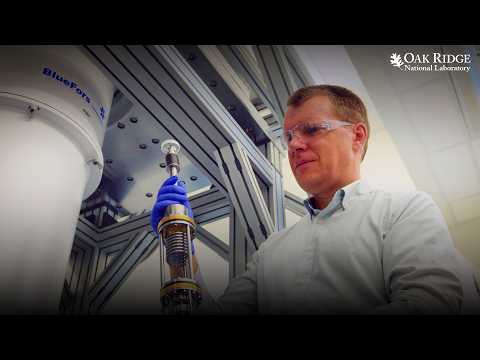
Ryan Binnick, group leader for Quantum Computational Science at Oak Ridge National Laboratory and deputy director of the Quantum Science Center, said quantum computing could accelerate discovery in materials science, chemistry and nuclear physics.
"Quantum computational science is about figuring out how to use quantum computers to solve useful problems," Binnick said, describing the discipline as a research effort to adapt emerging quantum hardware to scientific tasks.
Binnick told the interviewer that conventional computing technologies are approaching fundamental limits in speed and power, and that new computing approaches are needed to continue advancing national computing capabilities. "If we want to keep advancing our nation's computing capabilities, we need to develop and adopt new computing technologies like quantum computing," he said.
Asked how the Department of Energy's Genesis mission fits into that work, Binnick said the large federal investment is intended to help scientists nationwide combine quantum computers with artificial intelligence, traditional high-performance computing and scientific instruments to accelerate the pace of research. He did not provide funding totals or a specific timetable for the Genesis mission.
Binnick said he expects practical quantum advantage to arrive within a few years and expressed hope that the technology will enable discoveries that are difficult or impossible with today’s computers. "It would be a real, exciting breakthrough to see quantum computers help, say, discover new materials or new chemical processes or new pharmaceuticals that we couldn't have discovered otherwise," he said.
The interview did not record firm dates, budget figures or implementation milestones; Binnick described the timeline as anticipatory and did not specify which projects would be first to benefit.
Next steps discussed in the interview centered on continued research and integration of quantum hardware with existing computing resources rather than any immediate operational deployment.