Get Full Government Meeting Transcripts, Videos, & Alerts Forever!
Get email alerts on the Housing Conditions topic
No spam. Unsubscribe anytime.
Residents press council over unsafe housing, developer deals and service gaps at Newark meeting
Summary
At the April 15 Newark Municipal Council meeting, residents described hazardous living conditions, alleged favoritism in property sales and called for inspections and accountability; one tenant asked the council for a formal licensed inspection after an alleged unauthorized entry.
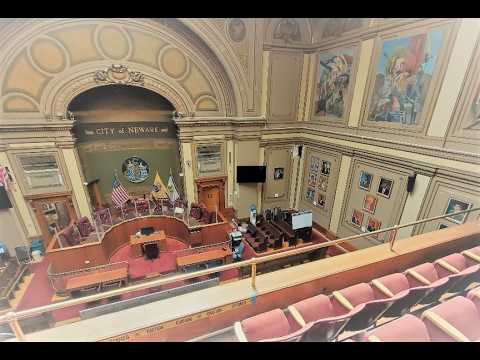
Residents filling the Newark Municipal Council chamber on April 15 used the meeting's hearing-of-citizens to press elected officials on housing safety, developer deals and city services ahead of May elections. Multiple speakers described persistent maintenance failures, alleged conflicts of interest in property sales and demanded clearer timelines and enforcement from city staff.
"For more than 5 years, I have consistently reported major issues in my unit," Rachel Jones told the council, saying her apartment at 6 Progerio Plaza suffers from leaking ceilings, holes in flooring and electrical hazards that have not been permanently repaired. "I am requesting a full inspection of my unit by licensed professionals who are qualified to properly assess the repairs," she said, asking for a written explanation of why staff entered the unit and what policy governs notice to tenants.
Several speakers accused the city of selling property at steep discounts to developers with political ties. Lisa Richardson Parker said a property assessed at about $2.2 million was sold for $23,000 in 2021 and later resold for $500,000 to what she called "friends and family," while Gail Chaneyfield Jenkins urged voters to hold officials accountable for giving developers abatements without ensuring quality or community benefits.
Jamar Youngblood relayed complaints from Department of Public Works employees who he said lack promised benefits, writing in a message he read that many who worked during the pandemic "still do not have any benefits" and receive temporary fixes rather than durable solutions. He also asked for transparency on how federal pandemic funds were used.
Other public commenters highlighted senior-housing problems, homelessness, mental-health supports and program funding. Mary Faye and others requested stronger enforcement against landlords they called slumlords; a number of speakers urged the council to make paving plans and other basic-city services more transparent.
City administration officials who responded during the meeting disputed some claims and outlined next steps. Eric Pennington, the business administrator, called a publicly stated $700 million deficit figure "outrageous," noting the overall municipal budget is roughly $950 million and that state law prevents the city from submitting an unbalanced budget. He told the chamber that staff would provide further information to anyone with questions.
Corporation Counsel Kenyatta Stewart and other city officials said the administration is expanding tenant-assistance tools and enforcement. Deputy Mayor Lisonbee Ladd described the Section 108 HUD loan program process where Invest Newark underwrites projects and the city provides federal CDBG funds as collateral for certain loans.
What happens next: several residents asked for written follow-ups and inspections; the council said staff would follow up on specific housing complaints, and city offices present said they would make paving plans and other documents public. The hearing-of-citizens concluded before the council moved on to ordinance and resolution votes.
This story focuses on residents' testimony and the council's immediate responses. It does not assert legal conclusions about the claims made at the microphone; several speakers said they had submitted documents or court records, and city officials said some matters are the subject of litigation or ongoing review.