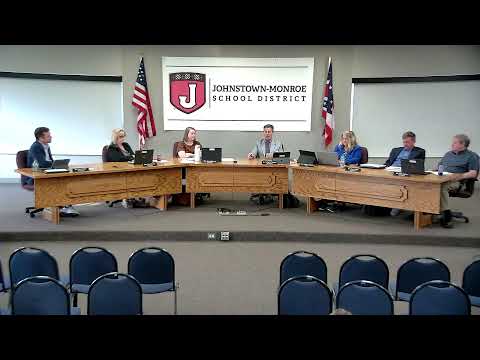
Parents urge Johnstown‑Monroe board to remove color, fabric and collar restrictions in dress code
Loading...
Summary
Multiple parents and community members told the board they support a dress code but want the district to remove color, fabric, pattern and collar restrictions for the 2026–27 handbook and to have building principals present changes for board approval.
At the April 13 Johnstown‑Monroe Local Board of Education meeting, several parents urged the board to revise the student dress code for the 2026–27 handbook, asking administrators to remove color, fabric, pattern and collar requirements while keeping prohibitions on offensive language and conduct.
Mary Mongold told the board she was not asking the district to eliminate a dress code but to allow principals to submit changes through the handbook for board approval. "We are not asking that Johnstown Monroe School District does not have a dress code... We are asking for changes in the dress code for the 2627 school year," she said. Mongold asked the board to remove color, fabric and pattern restrictions and the collar requirement.
Kevin Mongold, who identified himself as the spouse of a previous speaker, described the formal policy process and warned of legal, financial and public‑relations vulnerabilities if restrictions are not supported by educational rationale. He urged board members to insist on solid rationale linking any restriction to interference with the educational program, citing board policy 5511 and the administrative guideline manual.
Other public commenters described personal reasons for supporting change. Lisonbee Fields said she wants students to be comfortable because learning depends on that comfort, and Kaylee Kaiser asked the board to allow hoodies, calling the need for two modes of dress ‘‘an expense that you're asking our families to endure.’'
Board members and staff did not adopt an immediate change during public comment. Administration indicated the dress code topic will be addressed later in the agenda and through a superintendent survey; the board signaled it will consider proposed handbook changes and that principals must provide written rationale for any restrictions proposed for 2026–27.
The board’s next steps on policy and any formal changes will follow the committee and reading process specified in board policy; community members who addressed the board asked that proposed building‑level dress codes be presented to the board for approval in the upcoming handbook cycle.