Get Full Government Meeting Transcripts, Videos, & Alerts Forever!
Get email alerts on the Book Review topic
No spam. Unsubscribe anytime.
Residents urge caution as district prepares to re-review and potentially return challenged books
Summary
Two public commenters accused some school library materials of harming students and criticized a settlement they said would return removed books to shelves; board counsel and staff outlined the district's review and appeal process and parental checkout options.
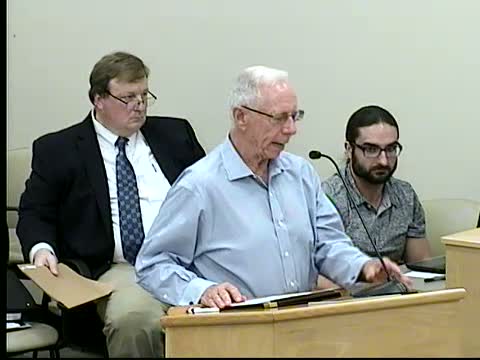
At the Sept. 12 Nassau County School Board meeting, multiple residents spoke during public comment about challenged library materials and a settlement they said would return books to school shelves.
Ken Rosansky, a resident who provided a written statement titled "Exposing Students to the Demonic Realm Has Harmful Consequences," told the board that some students are being "demonically influenced" through media and internet material and urged the district to be vigilant about what students access. "Our children are under this massive onslaught," Rosansky said, citing scripture and decades of work in deliverance ministry.
Later in the public-comment period, Jack Naki of Citizens Defending Freedom, Nassau County, said he learned from the press that the district had reached a settlement that will return 22 previously removed books to library shelves "on September 13." He said one title on the list — which he referred to as "Tricks" — contains sexual content and should not be returned. "This settlement puts them back on the school shelf ... I'm just beside myself," Naki said.
Board counsel Brett Steger and district staff responded that the district undertook a review of removed books and that the media specialist and certified reviewers make recommendations under state statute and district procedures. Steger said the district will present any titles proposed to be returned to the collection to the board and noted that some titles are age-restricted or require certain grade-level access. He described the objection review procedure and explained parents can sign an annual form to limit what their child may check out from the library.
The board emphasized the difference between district-level review decisions and board appeals: if a parent files an objection, the superintendent considers it; if the parent is dissatisfied, they may appeal to the board and thereafter to the state. Board members disagreed in part with public characterizations that the board had directly authorized placing the books back on shelves without review; counsel said the district’s review is a district-level, day-to-day operation.
Next steps: district staff said they will present any books proposed to be returned with supporting justifications to the board; parents retain the ability to limit their child’s access through existing forms and may follow the objection-and-appeal procedure if they disagree with a review decision.