Get Full Government Meeting Transcripts, Videos, & Alerts Forever!
Get email alerts on the Education Outcomes topic
No spam. Unsubscribe anytime.
District reports rising graduation and attendance rates, highlights continued gaps
Summary
Dr. Gillespie told the White Bear Lake Area Schools board the district'wide graduation rate is approximately 93.9% (high school 97.3%; ALC 82.2%), and attendance estimates show multi-year gains; principals described school-level strategies to boost belonging and daily attendance.
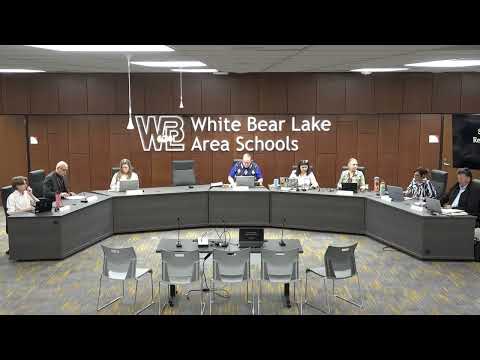
The White Bear Lake Area Schools board heard a presentation on graduation and attendance data, with Dr. Gillespie describing what he called sustained gains across the district and continued areas for improvement.
"Our high school last year graduated at 97.3, our ALC graduated at 82.2% and districtwide when we couple those it's 93.9%," Dr. Gillespie said, noting the district combines several program tracks to compute the overall rate. He emphasized that reported figures lag official state releases and that some figures are estimates: "this is approximate data for last school year...the graduation data comes out now for the previous year and attendance data is two school years behind."
Gillespie said the district has reduced the share of graduates who need developmental coursework after high school, from about 19% in 2018 to roughly 9% for 2024, and tied improved outcomes to systemwide supports and targeted programming. He also described how individualized transition programming (ALC and transition education) affects counts of students who do not graduate on a four-year timeline.
High school principal Russ Reitz and other school principals highlighted concrete practices that they said are contributing to attendance and graduation improvements: more welcoming school entrances, attendance outreach, mentorship and counseling, adaptations to ninth-grade supports, and targeted programming for students with individualized education plans. John Lanier, elementary principal at Matoska International, said outreach to families and community partners helps remove barriers like transportation.
Administrators cautioned the board that different programs use flexible attendance rules, which can affect public reporting: some alternative programs are included in district totals but have different attendance models. Board members asked for school-level breakdowns and more context on which student groups remain disproportionately affected.
The presentation closed with principals describing next steps: continue cross-grade collaboration, refine data collection for special programs, and share family-facing materials explaining how attendance is tracked and why it matters. Administrators said updated, finalized state figures will be available when the state releases lagged data and pledged follow-up reporting at future work sessions.