Lifetime Citizen Portal Access — AI Briefings, Alerts & Unlimited Follows
San Antonio staff recommend about $18.8 million for six affordable-housing projects, including units for veterans and formerly homeless residents
Loading...
Summary
City staff recommended roughly $18.8 million in awards from bond, CDBG and HOME funds for six projects: four rental developments (about 156 deeply affordable units) and two homeownership efforts, plus CLT funding. Council asked for more project-level cost and unit-gap data before final action.
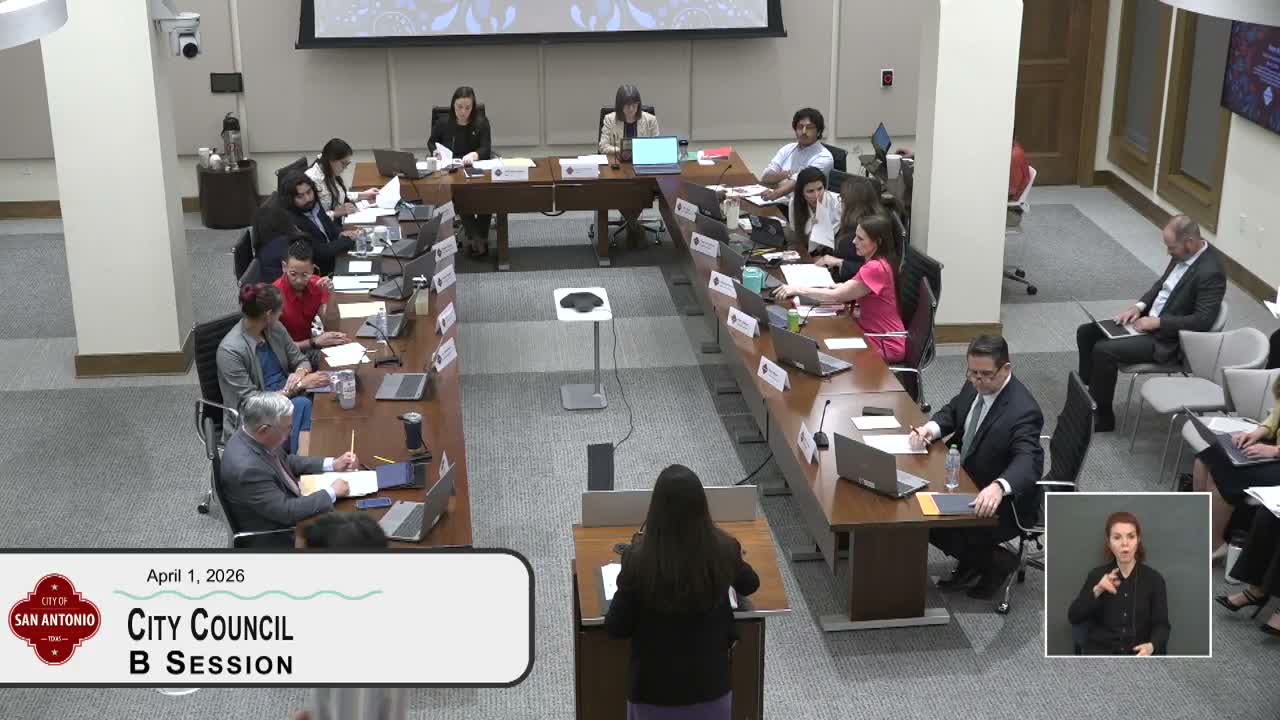
City staff on April 1 presented a package of recommended awards totaling roughly $18.8 million aimed at producing and preserving affordable housing across San Antonio, including projects that reserve units for veterans and for people experiencing homelessness.
Veronica (city presenter) told the City Council that the round bundles federal CDBG and HOME funds with local bond proceeds approved in 2022 and other sources. She said the solicitation, released Dec. 2, 2025, prioritized projects near frequent-transit corridors, deep affordability (units for households at or below 30 percent of area median income) and supportive services. "This round prioritizes developments located near frequent transit and includes points for services and accessibility," Veronica said during the presentation.
Staff recommended about $14.3 million for four rental projects that together would yield roughly 156 fully affordable units. Recommended rental awards include a $4.5 million gap award for the 111 West Travis project (central San Antonio; accessibility upgrades and a temporary relocation plan were described), and earlier-stage awards for projects serving people who are homeless or at high risk of homelessness. Veronica said projects awarded in the rental category include units set aside for households earning deep levels of income-restricted rents.
For homeownership production staff recommended about $4.2 million in combined CDBG/HOME support for two projects: a Habitat for Humanity subdivision in District 4 (about 47 units, with anticipated sales prices near $160,000) and a small-house "Casitas Afrohome" project in District 5 targeting households earning up to 80 percent of AMI.
Staff also described a community land trust (CLT) funding round with roughly $1.5 million available that would help preserve long-term affordability through CLT ownership models; the scoring committee recommended two CLT projects (Silk Road and Esperanza CRT) for combined designations of about $2.2 million to support acquisitions and rehabilitation.
Councilmembers praised the production numbers but asked staff for more granular cost information. Councilmember Mackie Rodredguez asked why a project with 288 units requested a comparatively small award and asked leaders to clarify how tax-credit requests, loan repayment terms and recapitalization needs affect award size. Veronica and other staff answered that payback terms vary by project and can range from about 10 to 25 years depending on existing financing and senior loans.
Councilmembers also pressed staff on program details used in scoring and on the expected number of deeply affordable units that each award would preserve or create. Several members asked for a clearer breakdown of the total project costs, the funding gap each award fills, and how awards would be stewarded to avoid displacement. Veronica said the scoring committee included city staff, preservation and planning representatives and community members and applied the announced criteria when recommending winners.
The presentation concluded without a formal council vote on the awards; councilmembers generally expressed support for the recommendations but directed staff to return with additional project-level information and to shepherd the CLT and homeownership proposals through the appropriate committee process before final council action.
The council moved on to a separate discussion about protecting veterans' income-based housing vouchers; that item was referred back to committee for further review.