Senators fault layoffs and 'direct file' pause as taxpayers face longer waits despite faster refunds
Loading...
Summary
Lawmakers pressed the IRS CEO about customer service after the agency paused direct file and reduced staff, saying phone wait times have doubled for some callers even as refunds have been processed more quickly for many filers.
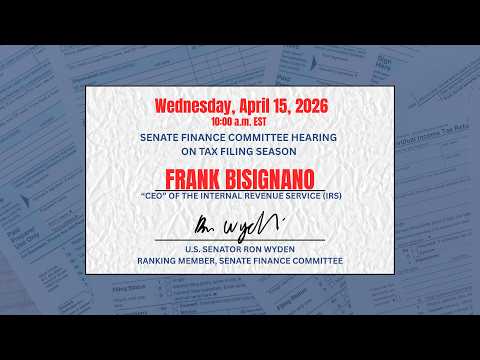
Lawmakers used part of the April 15 Senate Finance Committee hearing to press the Internal Revenue Service about customer service, staffing and the agency's decision to pause its direct‑file program.
Senator Elizabeth Warren and others contrasted the IRS's reported operational gains — faster refunds and higher e‑filing — with persistent service shortcomings, including longer phone wait times and reduced casework capacity. "Taxpayers who call in are waiting literally twice as long on hold to get help," Senator Warren said, asking the CEO to reconcile staff reductions with the agency's customer service commitments.
Mr. Bizzignano defended the agency's performance metrics, pointing to a 98% electronic‑filing rate and asserting that many taxpayers are being served faster via online tools and automated channels. "We moved online inquiries up 60% to more than 500,000,000, which reduced phone demand," he said, while acknowledging that some service lines remain stressed and promising additional details and callback options.
Senators urged congressional and agency action: Senator Cassidy introduced bipartisan legislation to create an IRS customer‑service dashboard, allow callbacks for long waits and provide better support for taxpayers struggling to pay. Multiple members asked the IRS to strengthen the Taxpayer Advocate Service and provide written metrics on phone wait times, callback performance and staffing levels by region.
Why it matters: Congress oversees taxpayer service and has the statutory responsibility to ensure taxpayers can access help when needed. Committee members said faster refunds are important but not a substitute for timely, human assistance for complex and vulnerable taxpayers.
Follow up: Mr. Bizzignano agreed to work with Congress on the proposed customer‑service improvements and to provide the requested operational data. Senators said they would track the IRS's implementation of callback features and the effects of VITA and free‑file alternatives on service demand.