Lifetime Citizen Portal Access — AI Briefings, Alerts & Unlimited Follows
Treasurer urges delay of new motor-vehicle transaction fee; county to wait until Jan. 1
Loading...
Summary
Cheyenne County Treasurer recommended not implementing the fee created by Senate Bill 325 on July 1, saying it would be unfair midbudget; commissioners agreed to defer a local start date to Jan. 1 and to discuss rates during next budget deliberations.
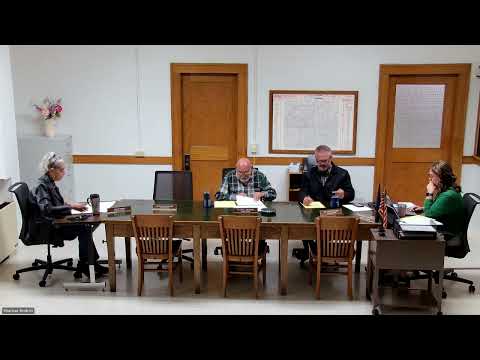
Cheyenne County Treasurer (speaker 6) told the board April 1 that Senate Bill 325 creates a new flat motor-vehicle transaction fee counties may set between $1 and $5 (with options up to $10 under limited conditions) and outlined revenue estimates and implementation choices. "I don't really feel comfortable with implementing the fee July 1," the treasurer said, noting the county already has a 2026 budget in place. "So my theory is it'll go in effect January 1 for everybody since I have that option."
The treasurer presented a three‑year average of about 4,700 motor-vehicle transactions and said each $1 of fee yields roughly $4,700 in annual revenue; choosing $5 would generate nearly $24,000. She said surrounding counties were discussing going to $5 on July 1 but recommended Cheyenne County wait so taxpayers are treated consistently for the calendar year and so the change can be folded into next year’s budget.
Commissioners asked clarifying questions about the statute's options and the process for submitting a local resolution. The board did not vote to implement the fee on July 1 and directed staff to model the budget impacts and return with recommended figures during budget season.
The treasurer also noted administrative details in the bill: a facility fee approach had been used previously but the new flat transaction fee applies to all transactions (in person, mail and online) rather than only to customers who visit the motor-vehicle office. The next procedural step is for staff to prepare revenue scenarios and for commissioners to consider a formal local resolution if they choose a fee amount.