Get Full Government Meeting Transcripts, Videos, & Alerts Forever!
Get email alerts on the Budget Priorities topic
No spam. Unsubscribe anytime.
Euclid council declines NOACA re‑membership and frames 2026 budget priorities
Summary
During a Feb. 9 work session the council chose not to rejoin the Northeast Ohio regional association (NOACA), reviewed a $14,000 council technology line, discussed equipment requests (stump grinder vs contracting), and outlined a process for council goals and department briefings ahead of budget hearings.
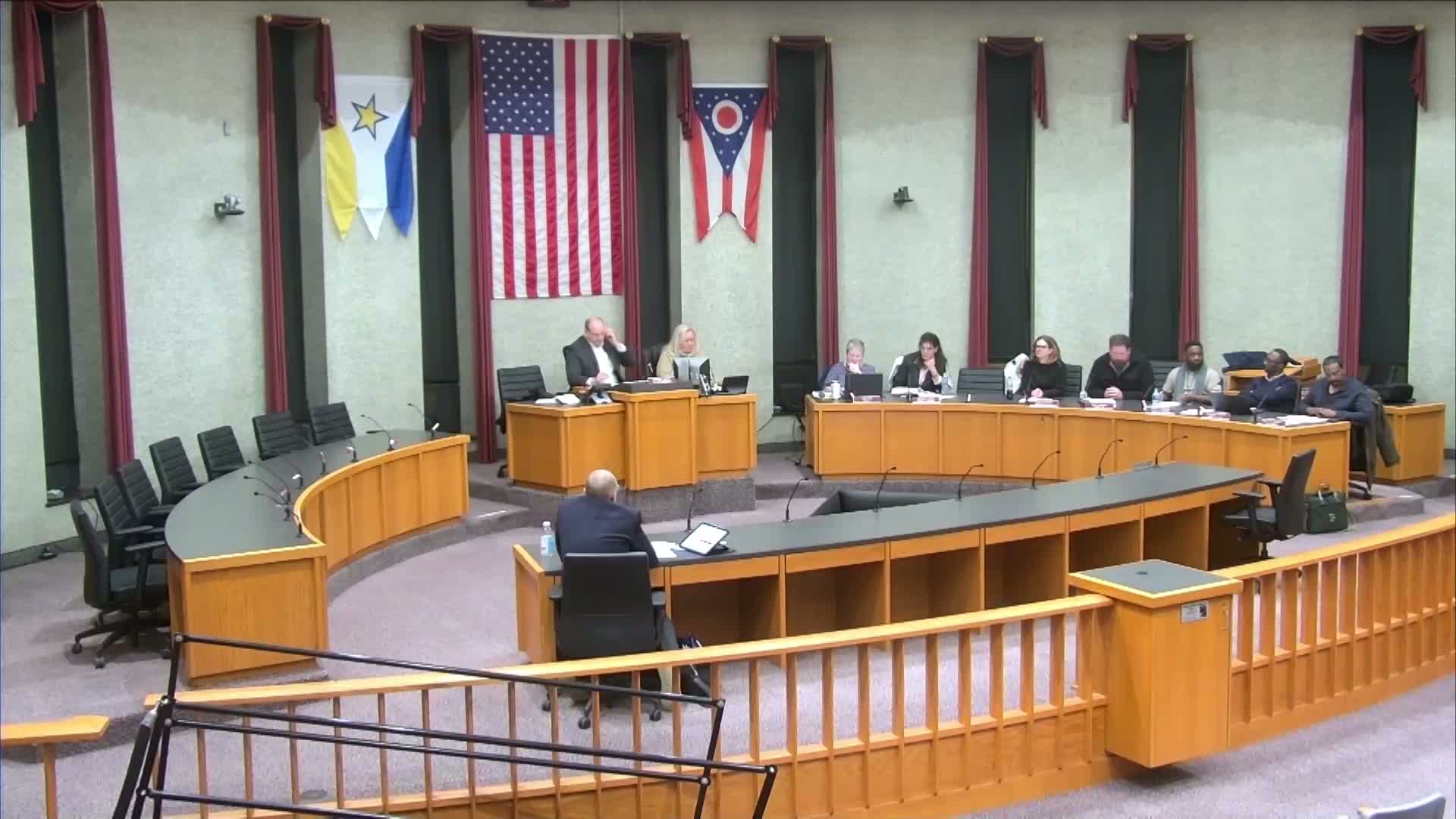
Euclid City Council members used their Feb. 9 work session to weigh small discretionary purchases, regional membership and broader budget priorities ahead of the 2026 budget process.
On regional engagement, the chair reviewed a proposed membership in the Northeast Ohio City Council Association (NOACA) and its roughly $500 fee. Council members who had attended past NOACA events said the benefit to Euclid was limited. “It just wasn’t helpful,” one council member said of prior participation, and the group agreed not to rejoin this year, instead recommending members pay to attend particular trainings or events as needed.
Budget discussion then broadened to specific council priorities. The chair reminded members the council’s technology allotment is $14,000, which formed the context for the earlier device conversation. Members also discussed small discretionary expenditures for staff appreciation—past cookie deliveries to city departments, which were described as well‑received—and suggested reallocating savings from not rejoining NOACA toward similar outreach.
Council members raised resident service items such as stump removal. Some members urged contracting stump grinding when practical; others suggested purchasing a stump grinder if parts are unavailable and recurring requests make contracting inefficient. One council member said administrative staff may already be pricing replacements, and the council asked staff to clarify whether purchasing or contracting is more cost effective.
Members debated budget constraints and the need for public transparency on priorities. One member stated the 2025 approved budget showed a roughly $2,000,000 deficit, noting, “it took the general fund balance from x to $2.02 $2,000,000 less than x.” The chair later warned of a larger fiscal shortfall when discussing longer‑term budgeting, referencing a different figure and urging members to prioritize items candidly rather than promising services that the city cannot fund.
The council also moved to formalize a short‑term planning process: each member will submit three to five legislative or procedural goals for consolidation into a council goals document to be considered for a future resolution and to inform budget discussions. Suggested goals included a review of the nuisance program, attention to an aging police station, and better council involvement in grant priorities. Members proposed both informal and formal department briefings so councilors can better understand departmental operations before drafting legislation.
The work session ended with a motion to adjourn, which was made and seconded and carried without further business.
Adjournment motion: Motion to adjourn made by Councilman Heil and seconded by Councilwoman Ham; the chair declared the meeting adjourned.