Get Full Government Meeting Transcripts, Videos, & Alerts Forever!
Get email alerts on the Housing And Community Development topic
No spam. Unsubscribe anytime.
Euclid planning staff seek seed funding for community improvement corporation; CDBG and HOME budgets rise
Summary
Planning & Development presented increases to CDBG and HOME funds and proposed seed funding for the city's Community Improvement Corporation to accelerate rehabs and resales of foreclosed homes to owner‑occupants.
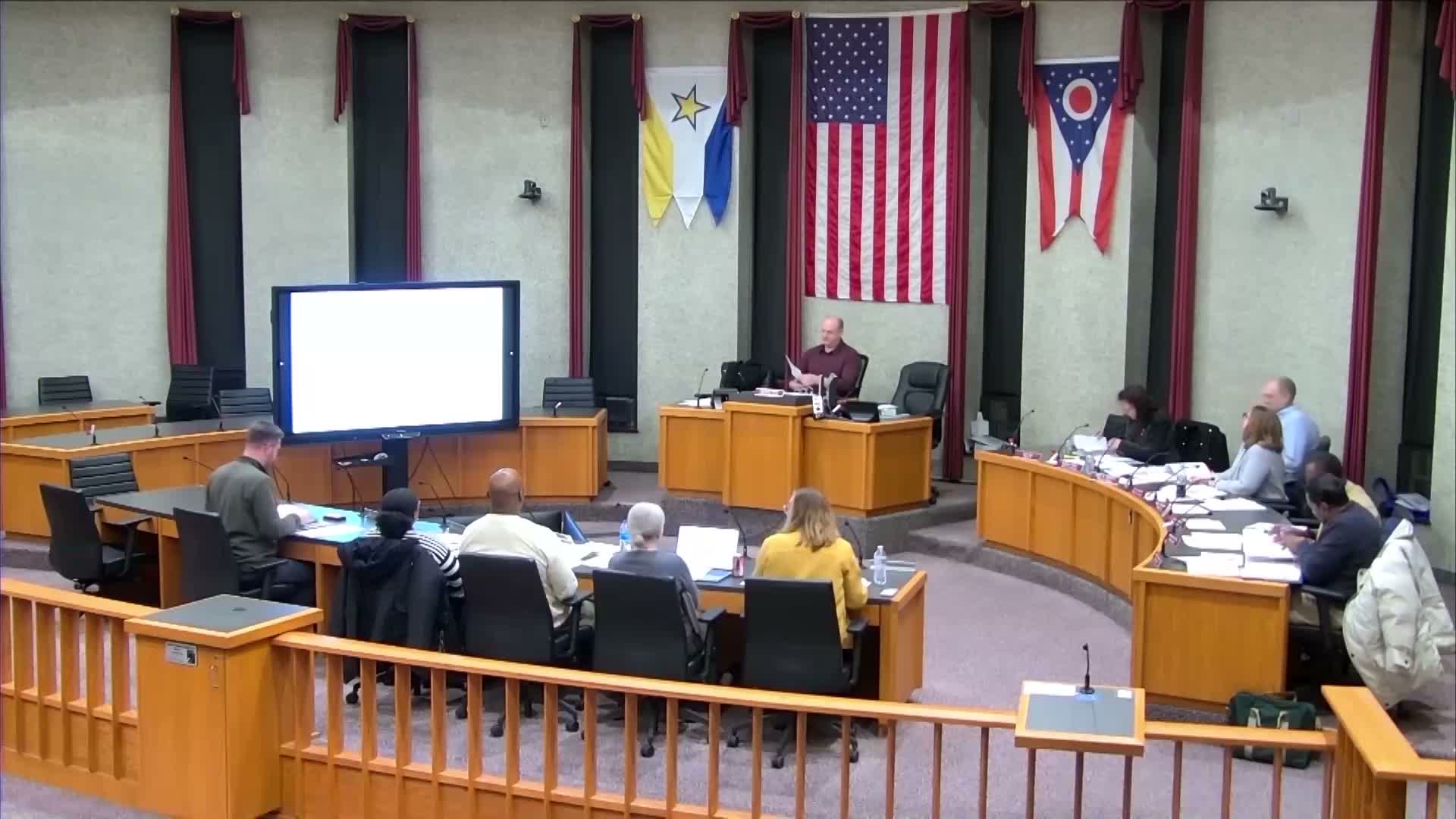
Planning and development staff outlined federal grant budgets and local housing proposals to the Executive Finance Committee on Feb. 25, asking council to consider a seed investment in the Community Improvement Corporation (CIC) to scale housing rehabilitation and owner‑occupied sales.
The department briefed council on multiple federal programs. Director Mac said the Community Development Block Grant (CDBG) budget was adjusted to about $1.4 million to match the fiscal year 2026 allocation adopted in December, with expenses reimbursed by HUD. The HOME program increased to roughly $1.1 million because the city will pass through significant tenant‑based rental assistance ($839,744) to Community Housing Solutions and about $160,000 in down‑payment assistance to EDCOR via Cuyahoga County; staff emphasized these are pass‑through contract expenses that will be reimbursed.
Director Mac proposed seed funding for the city’s Community Improvement Corporation to expand the Open Door Euclid program that acquires tax‑delinquent or donated properties, renovates them and resells to owner‑occupants. He cited prior outcomes — a rehabilitated property that sold for $250,000 and that sales have helped trigger additional new construction in the neighborhood — and said seed capital could be recycled to finance more projects and create immediate owner equity for buyers.
Neighborhood Stabilization funds of approximately $145,000 were identified by staff and used toward demolition and renovation work in prior years; a single demolition last year cost roughly $15,000–$17,000 including asbestos assessment. Staff also reviewed TIF district status (Harbour Town and Downtown Euclid expirations) and said a pending Euclid Avenue TIF application remains under review at the Ohio Department of Taxation.
Why it matters: the proposal would convert a municipal seed investment into a revolving source of capital aimed at increasing owner‑occupied housing and improving property values in targeted neighborhoods. Staff asked council for direction and a follow‑up outlining program details, costs and risk analysis before formal action.
Council did not take a vote; members requested additional documentation and a program outline for council review.