Fort Atkinson board says district's long-term finances need a referendum; approves market and longevity pay adjustments
Loading...
Summary
The Fort Atkinson School Board heard updated budget projections showing significant future deficits without an operating referendum, approved $288,841 in market and longevity compensation adjustments for 2026-27, and was told lower-than-expected insurance rates trimmed next-year costs.
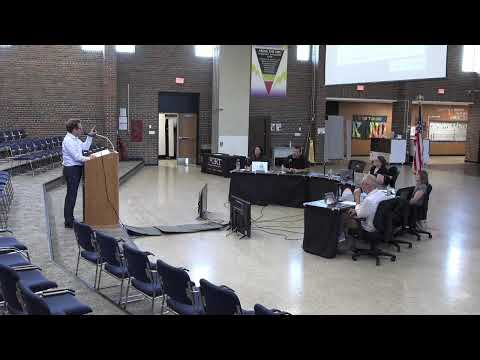
The Fort Atkinson School Board on Monday heard updated projections that show the district could face multi-million-dollar deficits in future years without an operating referendum, and it approved market- and longevity-based pay adjustments intended to keep salaries competitive.
During a budget presentation, Director of Business Services Mr. Knitt said the district recorded an earlier surplus of about $2,400,000 and currently projects a roughly $130,000 surplus for the year, but warned the 2027-28 outlook would turn sharply negative "without our existing operating referendum." He said a no-referendum scenario could leave the district about $10,700,000 in the red, and that even continuing the district's existing $6.5 million annual referendum would leave an estimated $4,200,000 shortfall in later years.
The board's human-resources director, Mandy Turnbull, outlined a market-based compensation system that uses current-year data from comparable districts and recommended full market and longevity increases for eligible staff across all groups. Turnbull said the recommended market and longevity adjustments total $288,841, or about a 1.33% increase districtwide, and noted the district will keep the current health-insurance plan design and premium split (district pays 87.4% of premiums; employees pay 12.6%). "Staff are our biggest expense as a district, making up 80% of our budget," Turnbull said.
Knitt told the board that health-insurance rates came in lower than budgeted (an 8.6% actual increase versus a 12% budget assumption), producing roughly $200,000 in savings for next year and improving three-year projections. He said those savings, combined with diligent expense management, moved the district from a projected three-year deficit to a projected three-year surplus of more than $500,000 under current assumptions. "That's going to save the district over $200,000 for next year," Knitt said of the lower insurance increase.
Board members pressed administration on cash-flow mechanics and contingency plans. Knitt said the district's fund balance (about $16 million as reported) could cover near-term shortfalls but acknowledged the district could need short-term borrowing in a no-referendum scenario, which would add interest costs and reduce classroom dollars. Several members emphasized that operating referendums have been the primary tool to maintain service levels and staffing over the past decade-plus.
After the presentations, the board adopted a formal resolution to implement the recommended market- and longevity-adjustment structure for the 2026-27 fiscal year, with roll-call votes recorded in support. The resolution also specified that employees on an active improvement plan on the first day of the 2026-27 year would not receive adjustments.
The board directed staff to continue refining projections and warned that the district will need to discuss operational-referendum planning in the months ahead. Next procedural steps include additional updated projections and public outreach ahead of any referendum decision.