Transit director describes AVL rollout, Wisco fare plan and fentanyl exposure that sidelined a driver
Loading...
Summary
Director Ron updated the commission on planned CAT AVL and regional fare-payment integration (Wisco), and described a fentanyl-contaminated transfer that caused a driver to lose his CDL and move to early retirement, underscoring staff support for cashless fare technology.
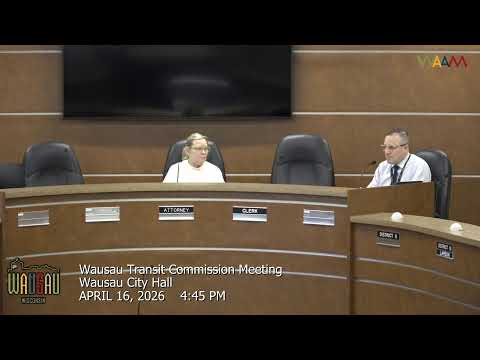
Wausau — MetroRide’s transit director told the Wausau Transit Commission on April 16 that work is underway to roll out CAT AVL technology by November and that the agency is exploring a regional fare-payment platform called Wisco to replace paper passes and reduce driver handling of physical tickets.
"By November, we should have everything up and running," Ron said of the CAT AVL schedule included in the meeting packet. He described Wisco as a regional system used by other Wisconsin cities that would allow riders to load money into an account and tap or scan a phone rather than hand drivers paper transfers.
Ron also recounted a safety incident in which a driver handled a transfer later found to be contaminated with fentanyl, leading to the driver becoming ill and losing his commercial driver's license. "He didn't know that paper was covered in fentanyl, and that fentanyl got into his blood and knocked him out," Ron said. He said the driver is now working in a different, less safety-sensitive role as he completes his career. Ron framed fare-technology changes as a way to limit drivers’ exposure to cash and paper that can pose health risks.
Commissioners asked implementation questions about agency and partner payments (for example, rides paid through Inclusa) and whether the technology could help reconcile delayed agency payments. Ron said staff would work with partners to resolve payment timing and that several agencies have experience with similar systems.
Why it matters: The technology decisions could change how riders pay fares and affect driver safety, and the fentanyl incident highlights a potential occupational health risk that the director said underlines the benefits of cashless fare systems.
Next step: Staff will continue work on AVL launch planning and explore Wisco integration and partner coordination; no procurement or contract award was approved at the meeting.