Get AI Briefings, Transcripts & Alerts on Local & National Government Meetings — Forever.
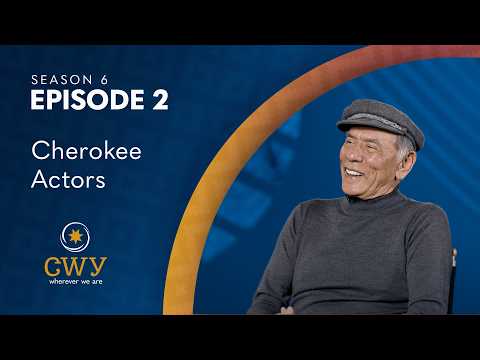
Wes Studi: language, industry cycles and Native participation are reshaping storytelling
Loading...
Summary
Actor Wes Studi discussed his upbringing, the evolution of Native representation on screen and the role of language and Indigenous participation across filmmaking to produce more authentic portrayals.
Actor Wes Studi described growing up in what he called "No Fire Hollow," recalling family allotments, subsistence practices and community life that shaped his early years.
Studi reflected on receiving an honorary Academy award and on the responsibility of representation, saying he sometimes feels "somewhat responsible for being in my family just about the last one to be able to use the languages as much as I can." He discussed language change and the role of second-language Cherokee speakers in cultural transmission.
On industry practices, Studi said Native storytelling has gone through cycles in Hollywood but is shifting as more Indigenous people become involved behind the camera and in decision-making roles. "What's actually required is our participation in the whole business of making film," he said, calling for Native presence in greenlighting, production and crews to influence what projects are made and how.
Studi urged young people to participate whenever they're ready and recommended joining work that is "bigger than yourself, something that will serve the future," describing film and storytelling as ways to better understand oneself and the wider world.
The interview focused on personal history, language and the structural changes Studi sees in the industry; the program did not announce any specific new language programs or production hires on air.