Get Full Government Meeting Transcripts, Videos, & Alerts Forever!
Get email alerts on the Animal Control topic
No spam. Unsubscribe anytime.
Residents urge city help to expand trap-neuter-return program for growing feral cat population
Summary
Several Greenville residents told the City Council on Sept. 2 that the city's trap-neuter-return program needs more funding and coordination as caretakers report rising costs and an expanding feral-cat population; council staff said the city currently budgets $4,000 annually for TNR and will follow up.
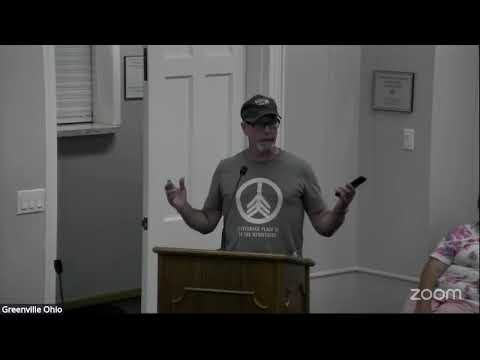
Michael Guyette, a Greenville resident, told the City Council on Sept. 2 that he has cared for dozens of abandoned cats and that the town’s feral population is “exploding,” urging the city to help cover spay-and-neuter costs or otherwise support trap-neuter-return (TNR) efforts.
Guyette said he has about 30 cats he feeds and treats and that local caretakers are already spending their own money; “I’m not asking the city to do much, really, except for pay for spay and neutering somewhere,” he said. His brother, Matthew Guyette, spoke in support and said private caretakers are covering food and some vet bills but need assistance to reduce future litters.
Council staff responded that the city currently allocates $4,000 a year toward the municipal TNR program and that the county humane society matches an additional $4,000. A staff member said they would contact the humane society to confirm remaining funds and availability for the remainder of the year.
Other residents described neighborhood impacts: Chrissy Addisbanger, who identified her address, said she has had cats and litters on her porch and has spent roughly $200 per spay without including vaccination costs; she described kittens freezing and public-health concerns such as urine odor and traffic hazards for children. Longtime resident Ron Osmond detailed the scale and practical challenges of TNR work, estimating strike rates, citing $70 as the last quoted per-procedure cost under the local TNR program (without certain shots), and encouraging the city to pursue grants such as the BISSELL grant and regional clinic partnerships.
Council members acknowledged the problem and said they will follow up with staff. One council member asked staff to contact the humane society “tomorrow” to verify remaining program funds; another encouraged exploring grant opportunities and municipal partnerships with regional clinics.
The council did not take immediate legislative action at the meeting but incorporated the comments into council discussion and thanked residents for their involvement. The mayor and other members said staff would follow up with the humane society and report back to council.