Talawanda trustees warned of looming state bills on vouchers, DEI and student-immigration reporting
Loading...
Summary
Board legislative liaison warned the district faces multiple statewide proposals — including a funding penalty tied to a voucher lawsuit, a DEI restriction for K–12, and a bill to report student immigration status — and said the board will closely monitor developments when the legislature returns after the May 5 primary.
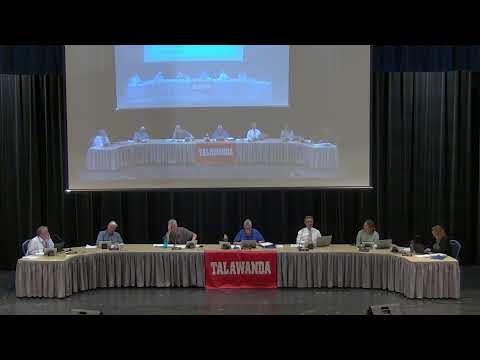
Mister Wyatt, the board’s legislative liaison, told the Talawanda City School District Board of Education on April 16 that a slate of state bills could materially affect the district, from funding to student privacy.
“In 2023, Ohio created the largest school voucher program in America,” Wyatt said, framing the controversy that gave rise to litigation. A Franklin County judge last year ruled that program unconstitutional; Wyatt said the case is now in appeals and that House Bill 671 would give the state authority to cut foundation funding for any district that continues to participate in that lawsuit, effectively pressuring districts to drop the challenge. “Drop the lawsuit to get your money back,” he said, summarizing what supporters of the bill are proposing.
Wyatt also flagged a K–12 proposal, Senate Bill 113, that would extend restrictions on diversity, equity and inclusion programs to primary and secondary schools. He cautioned trustees the bill’s language lacks a clear definition of “DEI,” saying that vagueness could affect teacher training, support for students with special needs and how the district communicates with families.
Another bill discussed in the report would require schools to check and report students’ immigration status. Wyatt warned the measure, which he said is moving through reconciliation between the House and Senate, would put districts “in a difficult spot” because U.S. Supreme Court precedent affirms every child’s right to a public education regardless of immigration status. Wyatt said he expects families to avoid interactions with schools if such reporting were required, citing similar outcomes in other states.
Wyatt closed with updates on the State Teachers Retirement System (STRS), noting a 1.6% cost-of-living increase for eligible retirees effective July 1, 2026, and a pending governance dispute over reductions in elected teacher seats that is the subject of ongoing litigation, as well as changes in levy law and a bipartisan public-records bill (HB 314) that the board is monitoring.
Why it matters: The items Wyatt described could affect district finances, staffing and family engagement. Board members said they will continue tracking the bills and report back after the legislature returns following the May 5 primary.
What’s next: Wyatt said the board should expect further updates and potential requests for policy or administrative changes as the bills move through committee and onto the floor.