Lifetime Citizen Portal Access — AI Briefings, Alerts & Unlimited Follows
Presenter demonstrates Fairfax County FIT tool for home-based businesses
Loading...
Summary
Fairfax County Green Business Partners demonstrated the Facilitated Impact Tracking (FIT) tool and walked home-based business owners through entering electricity (kWh) and natural gas (therms) bills, allocating the home-share reported to tax authorities, and viewing calculated energy use and greenhouse gas emissions.
A presenter from Fairfax County Green Business Partners demonstrated the Facilitated Impact Tracking (FIT) tool and showed home-based businesses how to enter electricity and natural gas bills so the tool can calculate energy consumption and greenhouse gas emissions.
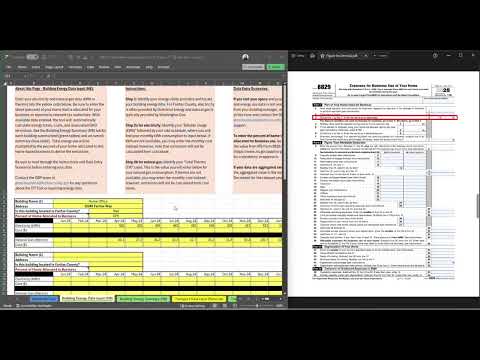
The demonstration focused on steps users should take: gather utility bills for the previous calendar or fiscal year, identify electricity and gas providers, enter building information and the percentage of a home used for business, and input monthly consumption figures. "This demo will cover how home based businesses can use the FIT tool to enter data on electricity and natural gas use based on the percentage of your home allocated to your business," the presenter said.
Why it matters: tracking actual consumption — not just costs — lets the FIT tool estimate greenhouse gas emissions and reveal trends that can point to avoided costs or energy-saving opportunities. "Keep in mind that entering only cost information is not enough to calculate your consumption and greenhouse gas emissions," the presenter warned.
Key steps and details explained in the demo included: identifying utility providers (the presenter noted that in Fairfax County electricity is commonly supplied by Dominion Energy or Northern Virginia Electric Cooperative and natural gas by Washington Gas or Columbia Gas); gathering bills that cover the relevant year; entering the home percentage allocated to the business (the presenter referenced IRS Form 8829 as the tax form where that share is commonly reported); entering monthly electricity usage from bills (billable usage in kilowatt-hours, kWh); and entering monthly natural gas usage in therms.
The presenter also walked through practical guidance for imperfect billing periods, advising users to allocate usage to the month with more days in the billing period (for example, assigning a Feb. 25–March 24 bill to March) and to enter annual aggregated values in December if only annual totals are available.
After input, the tool automatically totals energy use and calculates greenhouse gas emissions; results appear in the Building Energy Summary tab and an overall summary table. The presenter encouraged users to fill in the yellow cells in the tool with any available information and to consult the GBP membership resources page or contact the GBP team for additional assistance.
The demo did not include formal decisions or votes. The presenter closed by pointing attendees to the membership resources page and offering contact information for follow-up questions.