Lifetime Citizen Portal Access — AI Briefings, Alerts & Unlimited Follows
Fredonia board trims budget draft and debates 2.44% tax-levy target ahead of April 20 meeting
Loading...
Summary
At its April 14 meeting the Fredonia Central School Board reviewed a third draft of the 2026-27 budget showing $2,476,000 in reductions, discussed applying $750,000 of fund balance, and directed staff to prepare budget options aimed at a 2.44% tax-levy target while scheduling a special meeting April 20 to finalize the levy.
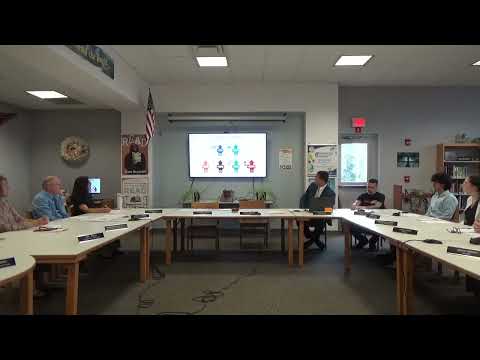
The Fredonia Central School Board on April 14 reviewed its third draft of the 2026-27 budget and debated whether to set the tax-levy increase at the administrative cap of 2.44% or a lower figure. Administration presented demographic and program changes that have pushed costs upward and outlined options to narrow a roughly $761,000 gap to meet the cap.
The board’s business official, Mr. Forbes, said draft 3 cuts about $2,476,000 from the starting point through a combination of staffing adjustments, re-coding of line items, retiree replacements and shifting salaries to grant funding. "We are now on draft 3, which shows a reduction of $2,476,000 from the start point," Forbes said, noting prior drafts produced reductions of $512,000 and $867,000.
Why it matters: salaries and benefits make up the bulk of the district’s spending—Forbes said about 68.4% of expenditures—with debt service bringing that share over 72%, leaving less than 30% of spending available for discretionary cuts. The board must balance maintaining programs and services that help keep enrollment steady with the district’s declining reserve level; the auditor previously recommended an undesignated fund balance closer to 4%.
Administration flagged several district trends that are increasing costs: a 29% rise in student participation in career and technical/BOCES programs, a 26% increase in English-language learners, a roughly 58% increase in students with disabilities, a 21% increase in economically disadvantaged families and a rise in students identified as homeless from 5 to 51 over a five-year period. Those shifts, officials said, have prompted added staff: special education staff, ELL staff, a Hispanic outreach coordinator, counselors, psychologists and social workers.
Board members pushed administration for clarity about the impact of potential state aid changes and which retiree positions must be filled. When asked whether state aid increases could change the analysis, Forbes said additional aid is possible when the state budget is finalized but ‘‘I would be shocked if it was something in the couple $100,000 range.’’
Several trustees expressed concern about applying $750,000 of fund balance in the draft. One member noted the auditor’s recommendation to aim for a 4% fund balance and cautioned against using too much reserve now. Another argued that deeper expenditure cuts could reduce programs that help the district remain a district of choice.
Next steps: the board directed staff to prepare budget options for a special meeting on Monday, April 20, with specific line items to be identified to reach a 2.44% target and alternatives at 2.2% and lower contingency levels. Forbes said some positions have been posted while others are being held to retain flexibility until final state aid and BOCES numbers arrive.
Clarifying details extracted from the presentation: the district reported a 2% net enrollment increase over five years (described as one of the few area districts not declining); a 29% increase in BOCES/CTE participation; a 26% increase in ELL students; a 58% increase in students with disabilities; a 21% increase in economically disadvantaged students; and an increase in identified homeless students from 5 to 51 over five years. A proposed capital outlay of $100,000 for tennis-court sealing was noted; such exterior projects qualify for roughly 82.7% state aid but require a minimum interior project and architect fees.
What wasn’t decided: the board did not adopt a final levy; it set a direction to aim at or under the 2.44% cap and scheduled the special meeting to finalize figures and specific cuts. The board also noted uncertainty remains on final state aid, final BOCES costs and staffing needs.
Speakers quoted in this article are included in the meeting’s speaker list. The board plans to reconvene April 20 to finalize its budget recommendation to voters.