Entrepreneurs urge pause on sale of county incubator, cite national‑security and jobs risks
Loading...
Summary
More than a dozen incubator tenants and founders urged Hamilton County to pause a proposed sale or relocation of the county‑run business incubator at 100 Cherokee Boulevard, citing potential harm to manufacturing startups, defense contractors and existing tenants. Speakers recommended alternatives including an energy‑service performance contract and a pause to develop a relocation plan.
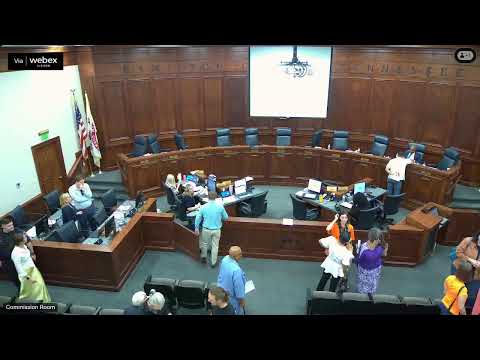
Dozens of entrepreneurs, incubator tenants and business advocates used the regular‑meeting public‑comment period on April 15 to press the Hamilton County Commission to pause plans to sell or relocate the county‑run business incubator at 100 Cherokee Boulevard (the BDC).
Colina Goldsworthy, COO of Proof Programs, said the incubator generated regional economic impact and warned that tenants had been told of the proposed sale with little notice: “We are asking you to please pause the sale of 100 Cherokee Boulevard, honor the leases, and pursue funding to repair the space as it stands.” Several tenant speakers described recent, time‑sensitive notices to move and said relocation would undermine ongoing contracts and revenue.
Nick Johnson, co‑founder of OneOff Robotics, argued the building supports industrial research and defense‑related manufacturing and that deferred‑maintenance figures cited by officials sounded high: “Choose stewardship over sale, and let's pause the sale of this until we have a plan,” he said. Other speakers, including founders of Peptide Test LLC and Branch Technology, described investments in heavy infrastructure, freight‑elevator needs and equipment that would be difficult to move.
Platt Boyd, founder and former CEO of Branch Technology, suggested an alternative financing route to address deferred maintenance: “This is a perfect opportunity for an energy service performance contract,” he said, outlining a model where guaranteed energy‑savings projects fund upgrades to roof, HVAC and lighting while preserving incubator operations.
Speakers repeatedly requested more time, clearer outreach to affected tenants and a written transition plan. Several asked the commission to honor existing lease terms while staff and officials evaluate renovation and funding options. The commission did not vote on the incubator sale during the regular meeting; the matter remains under administrative consideration and was the subject of extended public comment.