Albemarle supervisors split on vehicle tax; board reallocates roughly $2 million to affordable housing fund
Loading...
Summary
After public hearings on FY27 revenue proposals, the Board rejected a motion to prepare the budget assuming a 15¢ personal-property (vehicle) tax increase and instead approved a staff-directed package reallocating available one-time and constrained funds so about $2.0 million will go to the Affordable Housing Investment Fund.
The Albemarle County Board of Supervisors on April 15 declined to direct staff to prepare the FY27 budget assuming a 15¢ increase to the personal-property tax (a proposal intended to generate ongoing revenue for the Affordable Housing Investment Fund), then moved to reallocate a set of one-time and constrained funds to provide roughly $2.0 million in additional support for affordable housing and targeted emergency relief.
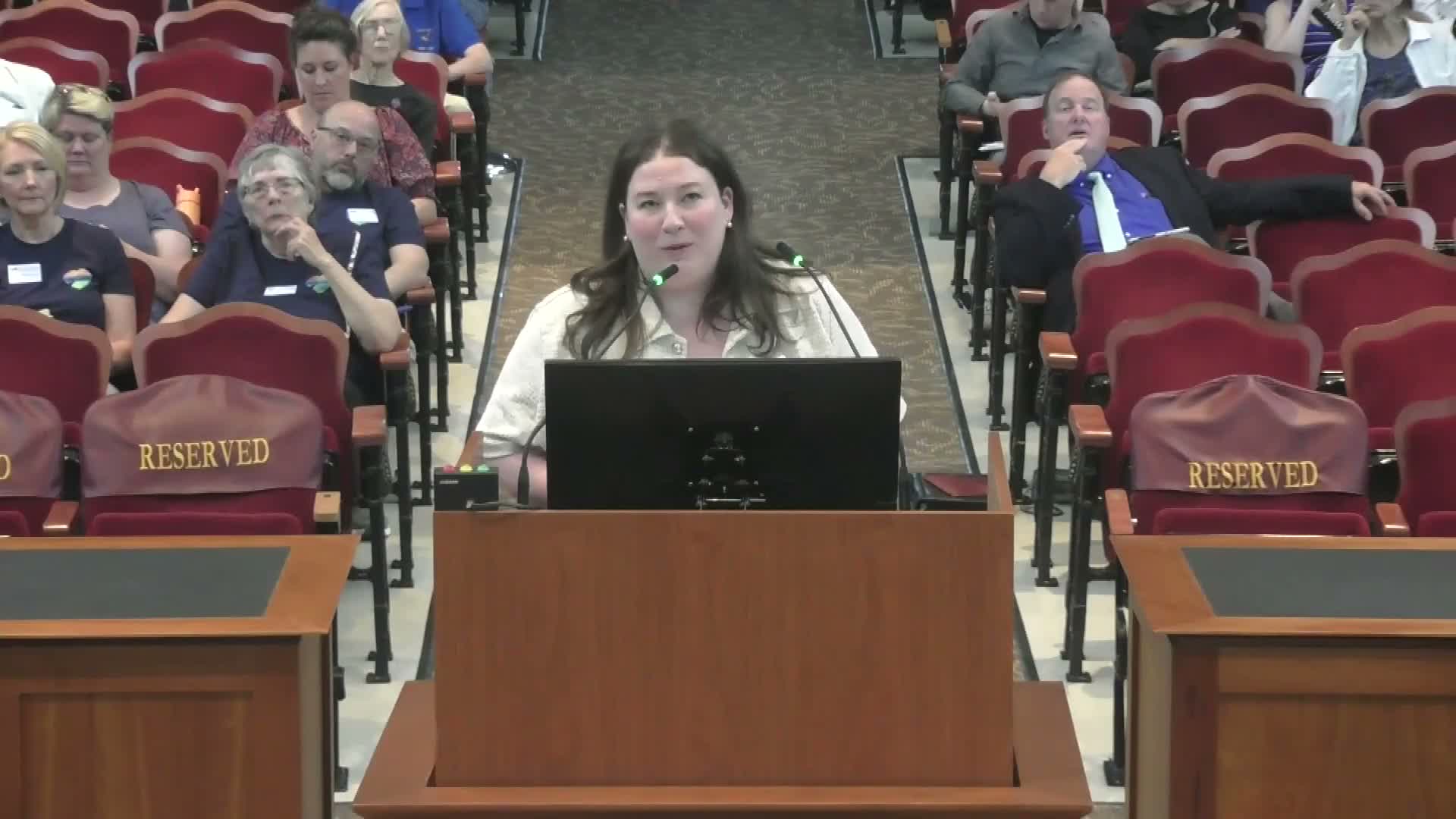
During a series of public hearings, several residents argued the car tax is regressive and burdens households who rely on older vehicles, while housing advocates and nonprofit leaders said dedicated revenue is urgently needed to preserve and expand affordable housing. "Having a car is not optional in Albemarle," resident Phil Rees said in opposing the proposed increase. By contrast, Michael Monaco, a Crozet resident and housing advocate, urged the Board to approve the personal-property increase and said modest per-vehicle impacts would yield meaningful funding for housing projects: "I would see about $1.50 a month with this tax rate increase," Monaco said.
A motion to direct staff to prepare the budget based on a 15¢ personal-property tax increase failed on a roll call of 3–3. After further discussion the Board approved a staff-recommended package of reallocations and minimum reserve levels that together freed approximately $2.117 million and—together with a modest additional reallocation—directed $2.0 million to the Affordable Housing Investment Fund (AHIF). The explicit steps approved instruct staff to hold specified minimum balances in contingency accounts while reallocating other available balances to AHIF and to a smaller set of one-time partner grants and emergency-relief funds.
Chair Ned Galloway said the board preferred to use a mix of targeted onetime and ongoing funding rather than rely solely on new ongoing tax increases. Several supervisors stressed the need for clearer program administration and monitoring for the AHIF as the fund grows, and one supervisor argued for expanding tax-relief eligibility for seniors and low-income homeowners.
The Board also deferred action on Community Development Department fee updates (a proposed 15% fee schedule adjustment) until the April 22 meeting after public comment urging benchmarking and a formal rate study. Staff will return next week with the technical motions needed to adopt the FY27 budget and with the allocations the board requested.