Get Full Government Meeting Transcripts, Videos, & Alerts Forever!
Get email alerts on the Infrastructure topic
No spam. Unsubscribe anytime.
Fire chief outlines decade-long rebuild of Station 2, operations and equipment needs
Summary
A fire department official said Station 2 — funded through the 2017–22 SPLAS cycle — opened in July and now runs medical and rescue operations around the clock; the official urged continued investment in facilities and apparatus as units age out at about 20 years.
The fire chief said Station 2, funded from the 2017–22 SPLAS cycle, held a grand opening in July and represents the department’s first facility the speaker helped design.
The station was funded from the 2017–22 SPLAS package, the fire chief said, and “seeing that come to life has been probably one of the most rewarding experiences” of the speaker’s time in administration. The design, the chief said, intentionally matches exterior colors of nearby Evans elementary, middle and high schools so students walking past “feel like it was an extension and feel safe.”
Why it matters: Station 2 is a central operations hub. The chief described it as often the busiest station in the system, running fire and first‑response medical calls, housing medical supplies and serving as a distribution point for the swift‑water rescue team that came online last year. “They can easily run about 23 calls in a shift here,” the chief said, noting the station operates 24/7.
The department also put a new rescue truck into service at the same time as the station, the chief said, and it runs with full ALS paramedic crews “almost 95% of the time.” That, the speaker said, lets the department provide “top‑level medical care” and more specialized operations from Station 2.
Apparatus lifecycle and replacement: The chief described fleet‑management constraints driving replacement decisions. He said apparatus are credited as frontline units for only a limited period and often reach about 20 years of service before they must be phased out, with mileage alone insufficient to show operational wear because engine hours and pumping time matter as well. “As those hit the 20‑year mark and need to be phased out completely, we need to replace them with features that meet the job,” the chief said, citing additional storage and modern life‑safety equipment as requirements.
The department is assessed by ISO every three years, the chief added, which factors into planning. He emphasized the goal of pairing modern apparatus with facilities designed for protection and comfort for crews.
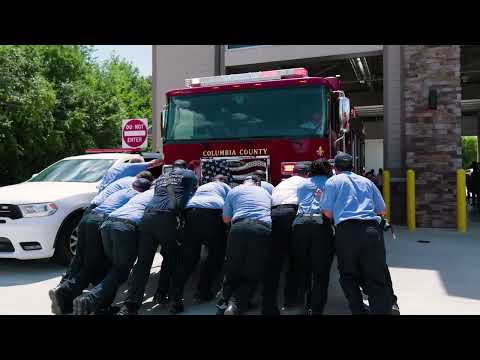
Tradition and community confidence: The chief framed new apparatus and public display as both a morale and community‑confidence measure. “Pushing is an exciting tradition in the fire service,” he said, adding that public displays help the community recognize updated capabilities. He described a measure of success as the number of people who “go to bed tonight and don’t worry,” saying that maintaining equipment, staff pride and modern facilities contributes to residents’ sense of safety.
Next steps: The presentation focused on the completed station, newer rescue apparatus, and ongoing fleet replacement needs; no formal motions or votes were recorded in the transcript.