Get Full Government Meeting Transcripts, Videos, & Alerts Forever!
Get email alerts on the Homeless Shelter topic
No spam. Unsubscribe anytime.
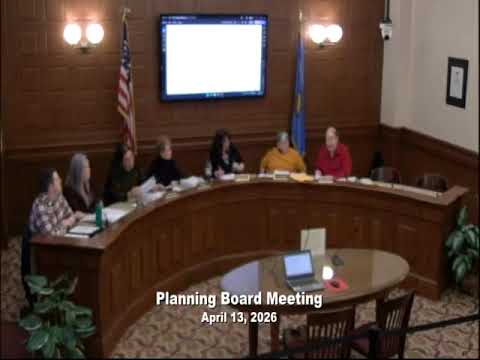
Planning board approves Cadence Kitchen's plan for 49‑bed shelter at 70 Horton Street
Summary
The Lewiston Planning Board approved a conditional use permit and development review allowing Cadence Kitchen Food Pantry Inc. to convert a former funeral home at 70 Horton Street into a 49‑bed adult shelter, subject to conditions including plant species review and a required homeless shelter license before operations begin.
The Lewiston Planning Board voted to approve a conditional use permit and accompanying development review for Cadence Kitchen Food Pantry Inc. to operate a large adult homeless shelter at 70 Horton Street with a maximum overnight capacity of 49 beds.
Staff presented site changes including planters and a designated outdoor seating area, a bike rack and a garbage plan; staff noted the site will continue to use existing water and sewer connections and that shelters do not carry an automatic parking requirement under local ordinance. Staff recommended approving both the conditional use permit (standards in article 10, sections 3–4) and the development review with two conditions: (1) capacity limited to 49 beds and board re‑approval required for any expansion; (2) plant species to be submitted for staff review prior to final signing.
Applicant presentation and operations: Dan Moreno of Platts Associates represented the project. Linda Scott (identified herself as administrative director for the Alta Raleigh Shelter) and Kevin Bollard (executive director) described operations: 24‑hour staffing, routine site walkthroughs every 30 minutes, a designated smoking area under a canopy, large concrete planters to physically separate outdoor space from vehicle lanes, snow‑clearing contractors and cooperation with neighbors. Kevin Bollard said the shelter has operated a winter warming center this season (at times 24/7) and plans a more programmatic, transitional model for shelter residents.
Public and board concerns: Board members asked about pedestrian flow, winter maintenance, separation of guest outdoor areas from sidewalks and school routes, and how the site will handle trash and parking impacts. Staff and applicants described a plan for staff parking, reserved staff spaces, communication with neighboring properties, and a 'good neighbor' policy.
Board action: Two motions were approved: first, that the project meets conditional use standards and that capacity be limited to 49 beds and a homeless shelter license from City Council is required before operations; second, that the development review be approved provided plant species are submitted and approved by staff before final plan signing. Roll call on both motions recorded unanimous approval of the two motions.
What happens next: Prior to commencing operations the operator must obtain any required shelter licensing from City Council and provide the plant species list for staff review. Staff also noted licensing or fire/code inspections may trigger additional conditions during the permitting or licensing phase.