Lifetime Citizen Portal Access — AI Briefings, Alerts & Unlimited Follows
Lewiston planning board backs clearer No Name Pond buffer language, sends recommendation to council
Loading...
Summary
The Lewiston Planning Board voted 6–1 to recommend language clarifying where a 50‑foot vegetated buffer applies in the No Name Pond overlay, stressing the buffer applies at the outflow to natural streams while enabling maintenance access to manmade stormwater facilities.
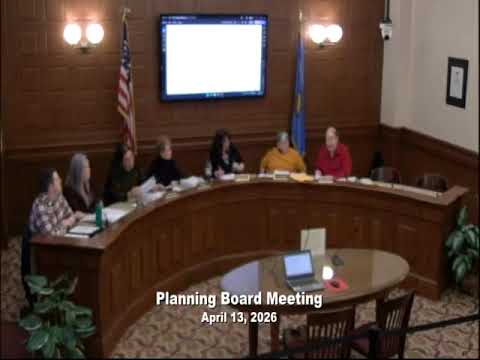
The Lewiston Planning Board voted to send City Council a recommended amendment to the No Name Pond conservation overlay that clarifies where a 50‑foot buffer must be maintained and where maintenance access is required.
Staff told the board that the proposed wording would apply the 50‑foot minimum buffer to perennial and intermittent streams, natural drainage ways and the treated outflow from stormwater treatment infrastructure, while distinguishing those features from manmade conveyances (ditches, swales, retention ponds) that require maintenance access. Chair Shanna Cox said the change was intended to remove ambiguity that would have made existing subdivisions technically noncompliant and to preserve the ability to perform necessary pond maintenance.
Why it matters: Neighbors and board members framed the issue as one of long‑term water quality and maintenance. Several residents said current stormwater facilities are not being maintained and warned that weakening buffers could shift flooding and degraded water quality downstream. Diane Chasse, a resident downstream, said the ground around her property has become frequently saturated and urged the board not to reduce protections: "When protections are reduced, the effects do not always appear immediately — they show up years later downstream on private property."
Staff response and enforcement: City staff acknowledged that homeowners association (HOA) responsibility for maintaining the manmade stormwater infrastructure has lapsed in places and said they will notify the HOA and follow up. Environmental engineer John Kuczynski explained that many of the manmade ponds and swales were designed to collect and treat stormwater and that excluding maintenance access would undermine the treatment function.
Board action and vote: After extended discussion and public comment, the board approved a motion to forward the clarified language to City Council on a favorable recommendation. The roll call recorded one no vote from Michael Marcotte, who said he remained unconvinced the amendment preserved the original ordinance's protective intent. The motion passed 6–1.
What comes next: The Planning Board's action is a recommendation; City Council will consider the amendment before it becomes ordinance. Staff said they will also reach out to Public Works and the HOA to address urgent maintenance needs identified by residents.
Board materials and public input: Staff cited a memo from the city environmental engineer dated April 9, 2026, and displayed maps showing where stormwater is conveyed through manmade ditches and ponds versus where water flows in a natural vegetated channel toward No Name Pond. Several neighbors asked staff to ensure visible, enforceable language and better diagrams in the code to avoid future ambiguity.