Get Full Government Meeting Transcripts, Videos, & Alerts Forever!
Get email alerts on the Public Outreach topic
No spam. Unsubscribe anytime.
New Canaan wetlands panel prioritizes website overhaul, on-demand education for residents
Summary
The Inland Wetlands Commission agreed March 16 to pursue low-cost website changes, embed staff presentations and add practical FAQs and ‘how-to’ checklists for homeowners and contractors to improve resident understanding of when wetlands permits are required.
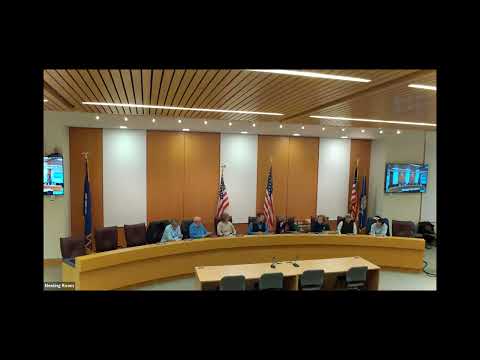
The New Canaan Inland Wetlands Commission on March 16 agreed to prioritize improvements to its public-facing website and to make staff educational materials available on demand.
The decision followed a presentation by Commissioner Dan Stepanek, who reviewed websites from eight Connecticut towns and recommended adding clear, user-focused content such as FAQs, a ‘‘what to do’’ checklist for property owners and embedded recordings of staff presentations. "I believe that such presentations would be well attended," Stepanek said, adding, "you might get 50 people there. You might get 75." The commission asked Town staff to identify inexpensive changes and said commissioners would review the current site before the next meeting.
Why it matters: Commissioners said most residents first consult the town website when planning projects, and clearer, more navigable content could reduce last-minute calls to staff and prevent inadvertent permit violations. Director of Inland Wetlands Kathleen Holland told the panel staff can upload existing training resources and link to state materials, and suggested using analytics to focus additions that residents actually use.
Details: Stepanek's review highlighted features that other towns use effectively: short new-homebuyer guidance, plant identification resources, and simple step-by-step checklists for common activities (for example, pool installation). Commissioners agreed the commission's web content should remain narrowly focused on regulatory guidance — "what residents need to know and who to contact" — while linking to external resources for broader environmental information. Angela Jamieson, who led the meeting, said, "We can't wait for DEEP forever," urging the commission to move ahead with local improvements rather than waiting for state model regulations.
Next steps: Holland will return at the commission's April meeting with specific, low-cost website recommendations. Commissioners were asked to review the current pages and bring proposed edits or removals to the next agenda. The commission did not adopt a formal outreach schedule but discussed partnerships with local organizations to widen reach.