Lifetime Citizen Portal Access — AI Briefings, Alerts & Unlimited Follows
Kershaw County awards jail medical contract to ACH after debate over higher cost and higher‑level staffing
Loading...
Summary
After questions and a brief delay for additional details, council voted to award the detention health services contract to Advanced Correctional Healthcare; the contract increases cost but raises clinical staffing from LPNs to RNs and adds prescriber hours and an in‑house MAT connection.
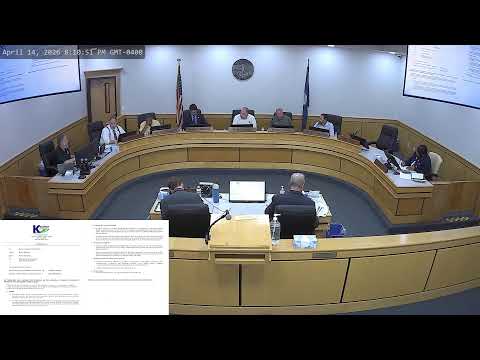
Kershaw County Council voted April 14 to award its detention health services contract to Advanced Correctional Healthcare (ACH) after discussion about cost increases and staffing levels. The decision followed a request from some members for additional particulars and a brief postponement while staff gathered details after executive session.
County Administrator Templer and procurement staff said the higher ACH bid was selected because it offered higher‑qualified clinical staff, more prescriber hours and an in‑house medically assisted treatment (MAT) capability in cooperation with the Alpha Center. Templer described the staffing the contract provides: “it’ll be two people you’ll have, but they will be RNs. An RN for 80 hours a week and then an additional RN supervisor for 40 hours a week.” Staff also said ACH screens all intakes more consistently and provides additional prescriber coverage, which the county and finance committee viewed as important to meet detention medical standards and reduce liability.
Council members raised concerns about the roughly $172,000 increase in annual contract cost compared with prior emergency arrangements and asked for specifics on staffing hours and service levels. Several members — including Vice Chairman Russell Bridal — asked for a short delay to review details; after staff provided the requested information post–executive session, the council renewed the motion and voted to award the contract. The motion to award ACH passed unanimously among members present; Councilman Jimmy Jones was not present for the final vote.
Supporters said the higher cost is offset by higher‑quality in‑facility care (RN coverage and prescriber hours) and the potential to reduce offsite transports and related staffing exposures. Opponents had sought additional briefings and clarity on the magnitude of staffing changes and the line‑by‑line cost difference before voting.
The contract replaces last year’s emergency arrangement and aims to provide continuous RN coverage, more prescriber availability and in‑house MAT services. No more detailed contract terms were adopted in open session beyond the staffing summary provided by administration.