Get Full Government Meeting Transcripts, Videos, & Alerts Forever!
Get email alerts on the Labor Policy topic
No spam. Unsubscribe anytime.
Senate narrowly passes bill raising agricultural overtime threshold to 56 hours after extended debate
Summary
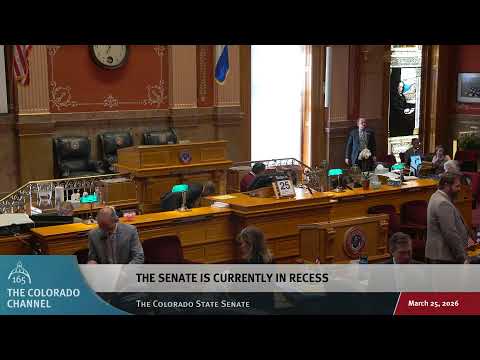
After lengthy floor debate that split senators along policy, economic and racial-history lines, the Colorado Senate passed SB 121 on March 25, 2026, changing the statutory overtime threshold for agricultural employers to 56 hours; final roll-call announced 19 ayes, 16 noes.
The Colorado Senate held an extended floor debate on Senate Bill 121, which establishes a 56-hour weekly threshold for when agricultural employers must pay overtime, and passed the measure by a narrow margin on March 25, 2026.
Supporters, including the bill’s sponsor and several rural senators, argued the statutory change would help small family farms facing rising input costs and labor shortages. Senator Pelton B, speaking in support, said farms “are struggling right now” and warned that without the change some producers could leave the state. The sponsor and Majority Leader framed the bill as a compromise driven by practical concerns for small producers.
Opponents raised worker-protection, equity and process concerns. Senator Marchman, a vocal opponent, said the bill “removes the premium” that current overtime law provides and warned it would shift income from workers to employers: “Workers work longer. Employers pay straight time.” Senator Danielson, who helped craft the 2021 Farmworker Bill of Rights, said moving the threshold from rule into statute eliminates administrative flexibility and called for data, a sunset, or review mechanism before making a permanent change.
Senator Kolker and others ran cost calculations on the floor to show weekly differences for workers at different wage levels, and questioned whether exemptions for small employers were being considered. Senator Bazely said he would vote yes despite preferring government not set thresholds, citing the current statutory reality and need to “right size” regulation.
The clerk recorded multiple senators’ requests to be recorded as no votes during the roll call. The clerk announced the final tally as 19 ayes and 16 noes, and declared SB 121 passed. The transcript records extensive floor-level arguments about the racial history of overtime exemptions, the economic squeeze on producers, and the trade-offs between worker protections and preserving small farms.
Next step: Having passed the Senate, SB 121 will proceed through enrollment and continued legislative processing toward final enactment.