Get AI Briefings, Transcripts & Alerts on Local & National Government Meetings — Forever.
Montgomery County Council opens FY27 budget debate as staff outline proposed tax increases and use of reserves
Loading...
Summary
Council staff presented the executive's FY27 recommended budget — a $7+ billion plan that includes a 6.3¢ property tax increase, a proposed income tax bump to 3.3% and use of roughly $191 million in one-time reserves — sparking a wide-ranging council debate about affordability, reserves and service cuts.
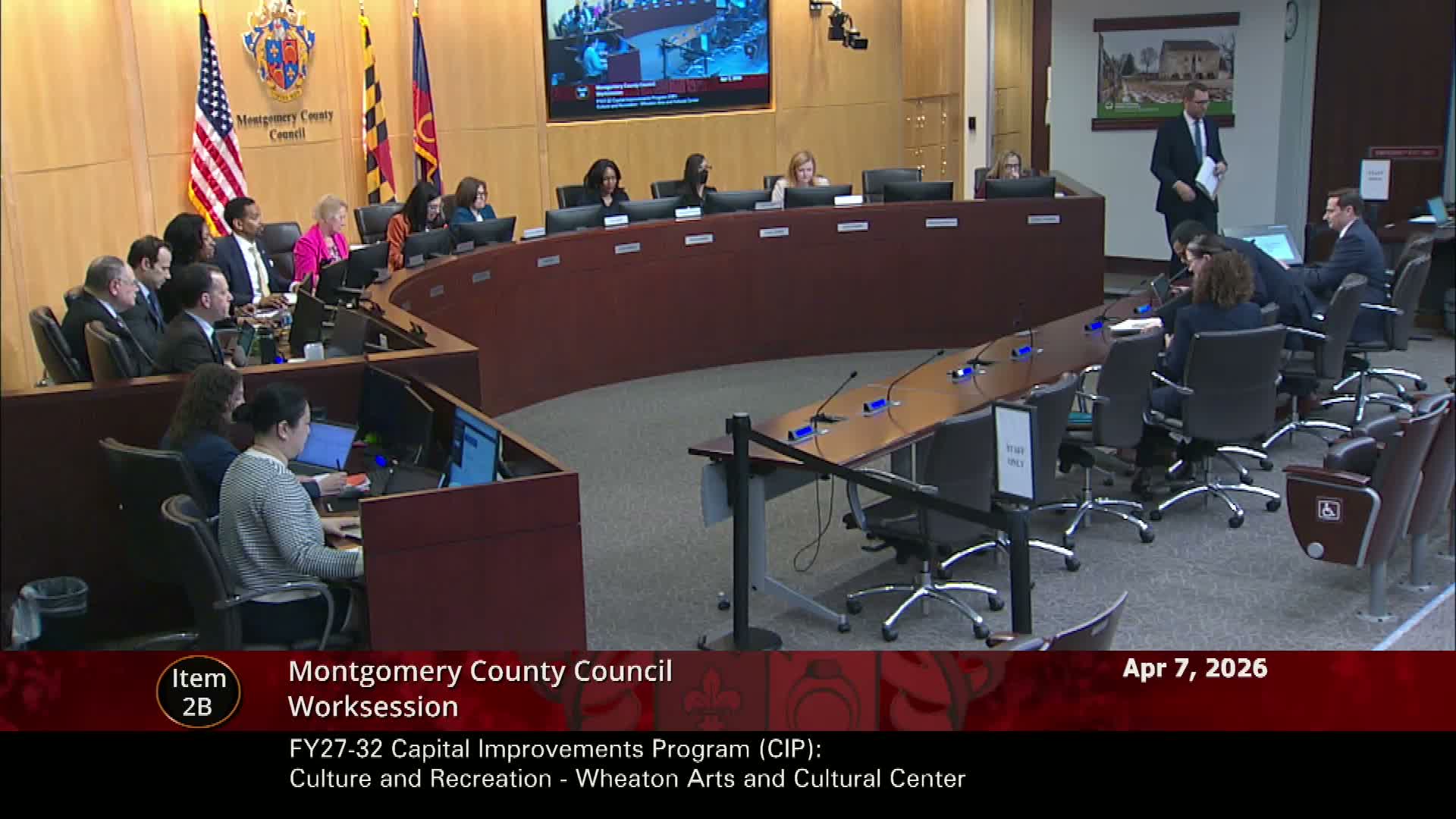
Council staff on April 7 provided a detailed briefing on the county executive's FY27 recommended operating budget and the trade-offs the County Council will face over the next month.
The presentation, led by council analysts and budget staff, said the executive's plan would increase the tax-supported operating budget to just over $7 billion, including a proposed 6.3¢ supplemental property tax for Montgomery County Public Schools and a proposed income tax increase from 3.2% to 3.3%. Staff also reported the executive's plan relies on approximately $191,100,000 in one-time reserves and includes recommended pay and benefit increases that drive much of the year-over-year growth.
"The executive recommends a 6.3¢ property tax increase for MCPS," staff said in the presentation, and added that the income tax change would produce about $24 million in FY27 with fuller effects in later years. The staff analysis also flagged a potential FY28 structural deficit, estimating a new-revenue gap of about $61 million and noting known FY28 expenditure increases of roughly $196.3 million.
Councilmembers responded with pointed questions and critical commentary. Council President Natalie Fani Gonzales said she was "worried" about the outlook and warned of unpredictable national and regional economic risks. Council Vice President Marilyn Balcom and Councilmember Kate Stewart both urged caution about drawing down reserves, with Stewart calling the proposed use of one-time funds to cover ongoing costs "not okay" and urging the council to seek alternatives.
"If we're not going to be in favor of increasing taxes, then please get ready to propose some cuts," the council president said, repeating a long-standing budget trade-off for the council.
Other members framed the choices differently. Councilmember Evan Glass and others stressed the immediate needs for safety-net programs given recent job losses in the county, arguing that cuts to services would harm residents who are already vulnerable. Councilmember Andrew Friedson warned that relying on hope is not a strategy and asked staff for clearer dollar estimates on what the county could afford without a tax increase.
Staff offered three illustrative scenarios: (1) approve no tax increases and identify roughly $446 million in reductions to close the gap, (2) accept the proposed tax increases and reduce fewer programs (an illustrative $189 million in reductions if the council declines the tax increases), or (3) adopt a partial property tax increase (about 3¢) and smaller reductions, producing an estimated $110.6 million in savings. Staff emphasized these scenarios are illustrative and that any final decisions will require detailed line-by-line changes.
Councilmembers asked for additional information from staff: the specific FY27 dollar impact with and without the tax increases, a detailed itemization of the $19 million in efficiencies the executive cited, and clearer labeling of which budget increases preserve the "maintenance of same service" versus new initiatives. Several members also requested explicit breakdowns of how compensation changes and inflationary costs contribute to the total increase.
The council scheduled public hearings and committee work sessions to begin the formal review. The briefing concluded with staff reiterating that the council has full discretion to set tax rates anywhere from 0¢ to the executive's 6.3¢ recommendation and that ongoing choices about reserves, cuts and taxes will determine FY27 and the structural balance beyond.
Next steps: the council's public hearings and line-item committee work sessions begin the same day, and staff committed to returning with the requested fiscal detail to support council decisions.