Lifetime Citizen Portal Access — AI Briefings, Alerts & Unlimited Follows
Hamilton County 9-1-1 seeks phased pay increase to cut 25–30% telecommunicator vacancies
Loading...
Summary
Jeff Carney, executive director of the Hamilton County 9-1-1 district, told commissioners the district has a 25–30% vacancy rate and proposed a four-year, phased pay plan with the district subsidizing 75% of costs in year one; the county’s FY27 share would be about $93,000 under the proposal.
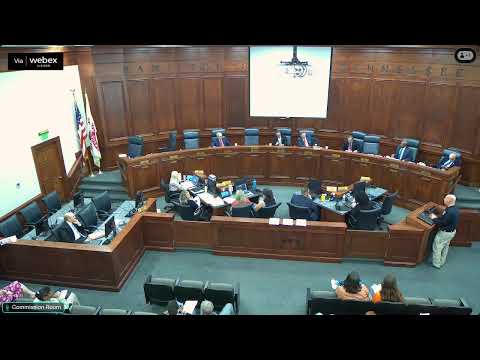
Jeff Carney, executive director of the Hamilton County 9-1-1 district, told commissioners the county’s emergency communications center has faced severe staffing shortages since the COVID-19 pandemic and is seeking phased county support to make telecommunicator pay more competitive.
Carney said the center has operated with a 25–30% vacancy rate for telecommunicators and a 93% vacancy in advanced and senior tiers, and that filling positions takes roughly a year of training. "We've been facing a 25 to 30% vacancy rate at Hamilton County since COVID," Carney said, describing high turnover and overtime pressure.
To address recruitment and retention, the district recommended a four-year phased-in plan. Under the proposal the district would subsidize about 75% of the first year’s pay adjustments using restricted reserves, lowering the immediate cost to client agencies. Carney estimated the county’s FY27 increase under the plan would be about $93,000; he said the district’s total FY27 budget is estimated at $22,000,000 with the district covering 49% of costs, the City of Chattanooga 30% and Hamilton County 13%.
Carney described a market study and a "respect ratio" approach that targets telecommunicator pay at roughly 70–90% of comparable field responder averages, and proposed a $0.50 per hour shift differential for second and third shifts. He said the plan also includes five additional positions to create a second EMS radio channel to address growing EMS radio talk-time and safety concerns.
Why it matters: Dispatch operations are essential to public safety; commissioners were shown performance metrics the district cited — an answer speed of about 97% within nine seconds and an abandon rate under 1% — and were told those results come at the cost of heavy overtime and a structural staffing shortage.
Carney said the district used a consultant, comparisons to Tennessee 9-1-1 centers and Census wage data to model the proposed increases. He asked commissioners to review slides the district provided and said the phased approach is intended to avoid surprise billing and to allow municipalities time to incorporate the change into their budgets.
What’s next: Carney requested that commissioners accept the district’s presentation and review the provided budget materials; any formal decision on county funding would be made during the county’s budget process.