Lifetime Citizen Portal Access — AI Briefings, Alerts & Unlimited Follows
Witness tells House committee tax credits and expensing provisions are essential for struggling farmers
Loading...
Summary
A witness from Maryland told the House Committee on Natural Resources that tax provisions in a recent bill — including the Working Families Tax Credit, bonus depreciation, R&D credits and Section 199A — help independent agricultural retailers and rural workers by lowering investment costs and boosting take-home pay.
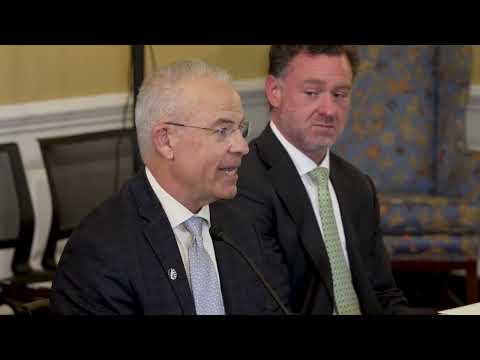
A witness who said he grew up on a poultry and grain farm on Maryland’s Lower Eastern Shore told the House Committee on Natural Resources that tax provisions in a recent bill are helping farmers and independent agricultural retailers survive a severe downturn.
The witness described early lessons on the family farm and recalled being paid $2 an hour by an uncle for farm work. Quoting that uncle, he told the committee, "You can't live off love," using the phrase to argue that financial support and tax rules matter to whether small rural businesses can stay open.
He urged lawmakers to keep provisions that reduce upfront costs for investment, pointing to "expensing investment incentives in forms of bonus depreciation and the R and D investment tax credits" as especially meaningful. "These credits help lower the upfront cost of investing in durable machinery, production facilities, and other necessary equipment," he said.
The witness also highlighted household-level tax changes, saying that increases in the child tax credit and the standard deduction "increase the take home pay for our hardworking employees," which in turn helps rural businesses and communities.
On workforce issues, he described hiring challenges for positions such as commercial drivers and trained applicators and said certain hiring-related tax credits make it easier for small employers to recruit and retain staff.
Turning to business structure, the witness noted that "most ag retailers are either S corps, LLCs, or sole proprietorships" and said, "Section 199A is the closest thing we have to tax parity with large corporations." He argued that without it, independent companies face structural disadvantages that limit investment, hiring and credit extension.
Addressing criticism of such tax provisions, the witness stated, "This isn't a loophole. It's what keeps small businesses competitive with large corporations." He added, "We didn't need Washington to fix everything. We just needed it to stop making it worse," and concluded that the bill's provisions would allow small agricultural businesses "to run our businesses with less worry and show true love to our customers, employees, and communities in tangible, really real ways."
He closed by thanking the chairwoman for the opportunity to speak. The hearing record does not show a vote or an immediate next action on the points he raised.