Get Full Government Meeting Transcripts, Videos, & Alerts Forever!
Get email alerts on the Budget topic
No spam. Unsubscribe anytime.
Duval board review: late state payments lift fund balance to about $213 million, CFO says
Summary
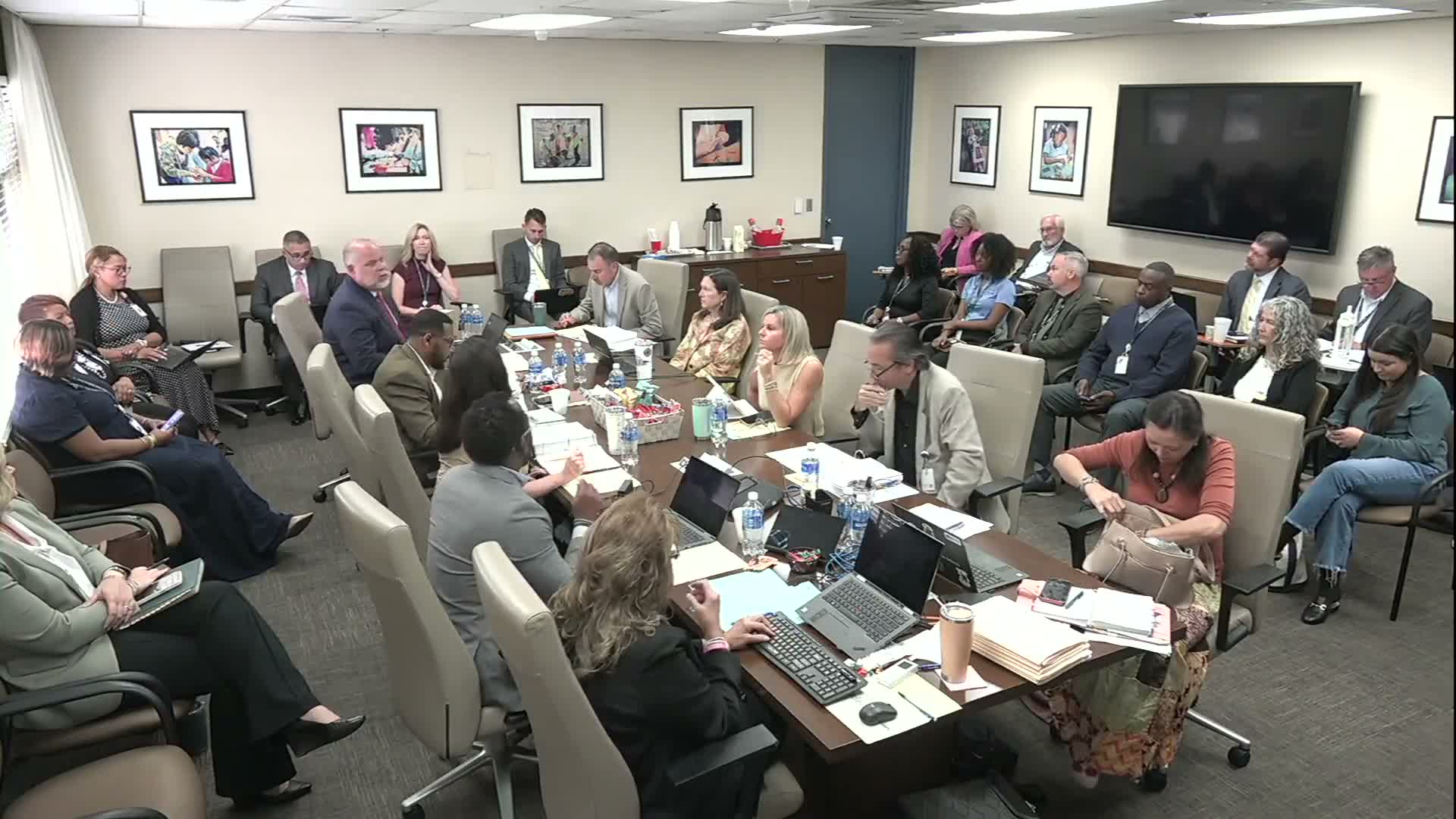
At a committee review the district’s chief financial officer told the board a late state payment and another receivable together will be recorded as prior‑year revenue, improving the district’s beginning fund balance to roughly $213 million and easing a projected shortfall. Board members pressed for clarity on reserves and long‑term sustainability.
Chief Financial Officer David Fagan told the Duval County School Board’s committee that the district will record two prior‑year payments — about $1.0 million and $2.3 million — that were received after year‑end and therefore will increase the opening fund balance for the current year.
"Your current number for your ending fund balance is approximately $213,000,000," Fagan said, calling that roughly a $40 million increase from the prior year. He cautioned that some of the increase represents one‑time receipts and that fund balance is not a recurring revenue stream.
Board members asked how the district broke a prior downward trend in fund balance. Fagan said budgeting changes — including fully funding teacher salaries and budgeting transportation at current cost instead of understating those lines — plus hiring freezes and capital transfers helped stabilize the district’s finances.
"Fund balance is one‑time money," Fagan said, adding that the object now is to control spending and preserve reserves for unexpected expenses.
Superintendent Bernier and board members emphasized the district’s intent to avoid using one‑time funds for recurring costs. Bernier noted the administration has placed more budget into teacher salary lines and reserved funding for transportation and structural materials, steps he said were meant to prevent repeating prior shortfalls.
Board member Pearson asked whether the district had received other state allocations intended to make districts whole for dual‑enrolled students; staff confirmed the $2.3 million figure included late state remittances tied to those obligations.
The committee’s discussion focused on transparency, the durability of the improved balance and the need to convert one‑time gains into sustainable budgeting practices. The committee did not take a final vote on the budget adoption at this session; staff said they will provide follow‑up details and the formal adoption procedures will appear on the board’s consent or action agenda in the appropriate meeting.