Get Full Government Meeting Transcripts, Videos, & Alerts Forever!
Get email alerts on the Childcare Funding topic
No spam. Unsubscribe anytime.
Subcommittee advances H.B. 5611 with attendance-based payments and federal funding cut to childcare
Summary
The House Appropriations Subcommittee advanced H.B. 5611, the FY 2026–27 childcare appropriations bill, adopting a house substitute after staff described a roughly $40 million federal funding reduction, a general‑fund increase to offset it, a change to attendance‑based provider payments and FTE reductions across childcare programs.
The House Appropriations Subcommittee on Higher Education and Community Colleges voted to adopt and report H.B. 5611, the fiscal‑year 2026–27 childcare appropriations bill, after a staff overview and questions about program cuts and transparency.
Noelle Benson of the House Fiscal Agency told members the house proposal includes roughly $629.9 million in gross appropriation for the relevant budget lines and reflects “a $40,000,000 federal decrease and a 20,500,000 general fund increase.” She highlighted a boilerplate change that would require payments to childcare providers “to be based on attendance rather than enrollment,” which Benson said carries an estimated savings of $19,500,000.
The subcommittee heard questions about specific program cuts and reporting. One committee member asked why the Tri Share child‑care program was reduced at a time of affordability concerns; Benson said House Fiscal could not speak to the underlying policy choices and deferred to the chair for further discussion. Another member pressed whether deleting section 10.25, the provision authorizing receipt and appropriation of private donations, would reduce public transparency; Benson said she would review the exact boilerplate language and follow up.
Representative Longjohn raised questions about proposed FTE reductions in childcare licensing and regulation, asking whether health and safety monitoring — including “monitoring vaccination rates in childcare centers” — might be at risk. Benson said the FTE reductions reflect positions that are currently unfilled and that the cut was identified from recent FTE reports; she did not commit to specific program impacts.
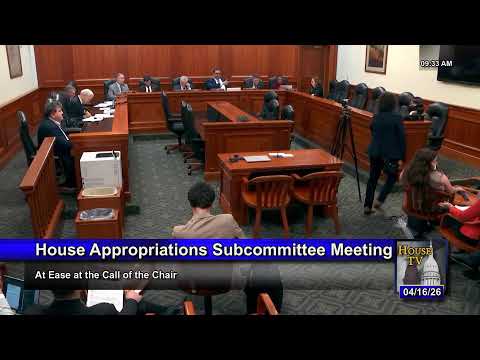
Procedurally, Rep. Roth moved to adopt the H‑1 house substitute for H.B. 5611 and to report the substitute with a recommendation that the bill pass. The clerk’s roll call recorded five yes votes and two no votes; the motions were adopted and the bill was reported out of committee.
Next steps: the committee reported H.B. 5611 with recommendation that it pass; staff said they would follow up on requests for the precise boilerplate language about private donations and any further clarifications on FTE impacts.