Get Full Government Meeting Transcripts, Videos, & Alerts Forever!
Get email alerts on the Consent Agenda topic
No spam. Unsubscribe anytime.
Board clears consent agenda including study of non‑plastic cafeteria ware; prayer observance item draws large public response
Summary
The board approved a broad consent agenda that included an item to study replacing single‑use plastic wares in school cafeterias and a resolution recognizing the National Day of Prayer; leaders on both sides of the prayer debate and dozens of public commenters spoke at the meeting.
The Miami‑Dade School Board’s consent agenda on March 11 passed unanimously and included a directive to study options for reducing single‑use plastic tableware in district cafeterias (H10) and a resolution recognizing the National Day of Prayer in schools (H4).
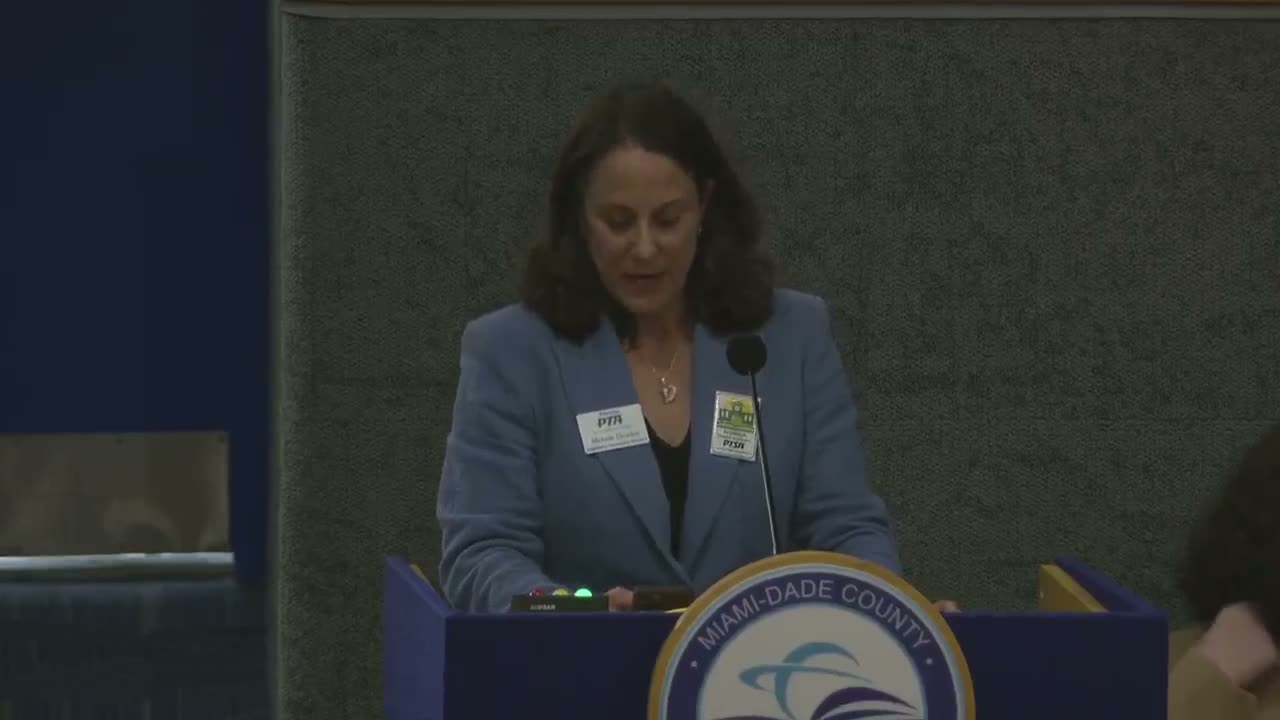
Speakers supporting a transition away from plastic — including parent groups, environmental advocates and students — urged the board to consider stainless steel trays and dishwashers to reduce waste and student exposure to microplastics. Sierra Club Florida, Florida Green Schools PTAs and student speakers cited environmental and health reasons for the study; the board clarified that the procurement language for food service equipment could include dishwashers and reusable items.
H4, which called for observing a National Day of Prayer in schools, drew dozens of public speakers and vigorous public comment. Supporters argued voluntary prayer promotes reflection and community values; opponents warned of separation‑of‑church‑and‑state concerns and potential bullying. The prayer resolution was placed on consent and passed as part of the broader consent agenda.
Board members and staff emphasized that consent‑agenda items would be detailed in permanent records and that follow‑up steps — including feasibility and procurement questions about dishwashers and equipment — would come through administration for implementation planning.