Lifetime Citizen Portal Access — AI Briefings, Alerts & Unlimited Follows
Sponsor says bill will protect state parks; wide public support and industry pushback at HB 3193 hearing
Loading...
Summary
At a committee hearing for House Bill 3,193, sponsor Representative Colin Wellencamp proposed phasing out certain single-use plastics and polystyrene in Missouri state parks; environmental groups and volunteers testified in force while industry representatives warned of lost recycling revenue and practical complications.
Representative Colin Wellencamp introduced House Bill 3,193, saying the measure would ban the sale and distribution of specified single-use plastics (polystyrene food containers, retail concession water bottles and plastic bags) at Missouri state parks and historic sites and require parks to pursue alternatives.
Why it matters: sponsors argued parks are next to water bodies and plastic waste there often reaches waterways; they framed the bill as protecting tourism, habitat and public health. Representative Wellencamp cited statewide visitation and economic figures to underline the parks’ value. Testimony in support came from conservation groups, stream teams and private citizens who stressed cleanup burdens, wildlife impacts and human-health concerns related to microplastics.
Key supporter testimony included Dana Ripper (co-founder and co-director, Missouri River Bird Observatory), who summarized research on plastics’ growth and potential toxicity and said that much of today’s plastic production occurred since 2000. Mary Color (executive director, Missouri Stream Team Watershed Coalition) described volunteer cleanups and said polystyrene fragments are especially difficult to remove from natural areas. The Conservation Federation of Missouri’s witnesses said the bill aligns with organizational resolutions on waste avoidance.
Industry and practical concerns also featured: Gil Gamble, a registered lobbyist for the Missouri Beverage Association, told the committee the industry has made recycling progress and warned bans could reduce resources for recycling programs, saying, "Our plastics are 100% recyclable." Committee members pressed sponsors to identify clear, pre-defined exemptions and alternatives for people with disabilities and for emergency or medical uses; Representative Walsh Moore and others urged careful language to avoid unintended access problems (for example, for people who rely on bendy straws).
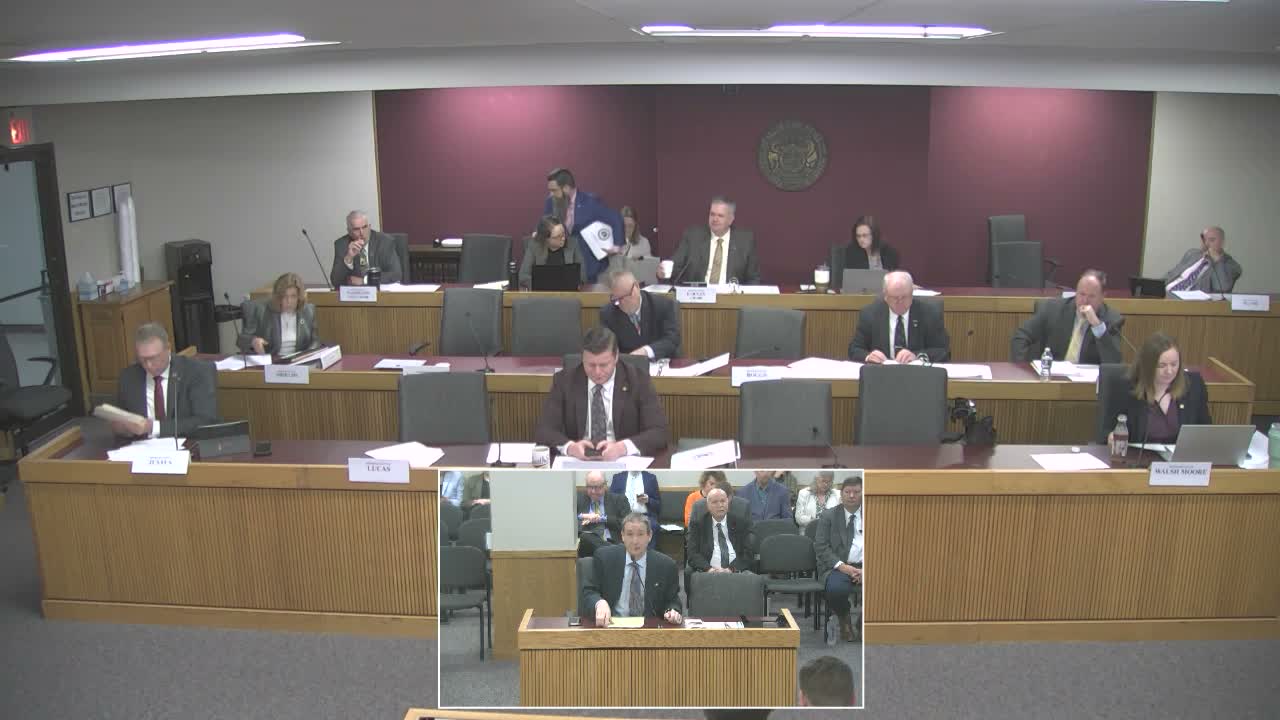
The chair limited public testimony to two minutes per witness and heard multiple organizations and citizens in support along with at least one industry opponent. The hearing concluded with no committee vote recorded that day.
What’s next: the measure will return to committee for markup or proceed as the sponsor directs; committee members suggested refining exemptions and giving the implementing agency clearer guidance on allowable exceptions.
Representative Wellencamp said he wants to continue stakeholder conversations to craft feasible alternatives and prescribed exceptions for accessibility and emergency uses.