Lifetime Citizen Portal Access — AI Briefings, Alerts & Unlimited Follows
Executive director details Capitol restoration timeline and expands drone inspections and security planning
Loading...
Summary
At the April 20 meeting the executive director reported completion of glass floor restoration phase 3 (188 tiles replaced), outlined east steps and chamber ceiling work, and described expanded security measures including Airspace Link monitoring and purchase of an in‑house inspection drone.
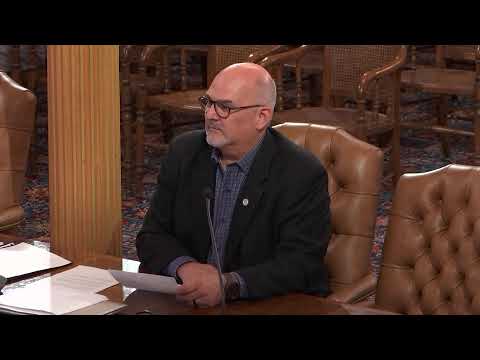
Executive Director Rob told the Michigan State Capitol Commission on April 20 that multiple Capitol conservation and maintenance projects are underway and that the office is expanding security and inspection capabilities, including adding a commission‑operated drone.
"Since we last met, we have completed phase 3 of the glass floor restoration project," Rob said, noting that the team replaced 188 tiles in phase 3 and that 28 tiles in that phase remain original to the building from 1879. He said roughly 300 tiles remain to be replaced in phases 4 and 5 and estimated the overall project would finish in the summer. Installations are occurring during night shifts and staff are managing dust and cleaning in adjacent floors.
Rob said the east front steps project will begin mobilization on July 6, with fencing and a 30‑ton crane in staging areas; the upper section replacement could take up to eight weeks and will require closing the south side of the east steps while maintaining north‑side access. He described the goal as replacing sections that have cracked and spalled and updating profiles to better withstand Michigan weather.
Addressing the House and Senate chamber ceilings, Rob referenced a 29‑page conditions report by Building Conservation Associates and described scaffolding approaches that would allow the 2nd Floor to remain open if a suspended system can be used. He said logistics — including how to access the ceiling, whether sprinkler heads should be replaced while scaffolding is in place, and whether both chambers can be done in a single summer — remain to be finalized.
On security, Rob said the commission now participates in a monthly capital enforcement team (Michigan State Police capital security, house and senate sergeants, supreme court and court of appeals security) to plan for rallies and events. The commission uses Airspace Link software to monitor drones over Capitol Square; Rob explained the tool notifies staff and provides drone location, controller location, flight path, time and elevation. He said the commission has tracked draft legislation from Representative Brock's office (the "Shield Michigan" package) that would define mitigation and enforcement rules for drones and could allow the Capitol to be listed as critical infrastructure, enabling further mitigation options.
Rob also reported the commission has used an outside vendor (Jerome) for an exterior dome survey and found the vendor inspection cost far lower than scaffolding; the commission decided to purchase a drone for in‑house inspections, with staff to be trained and licensed to conduct more frequent inspections and capture imagery of hard‑to‑reach stone and windows.
Rob closed by summarizing outreach: as of March the commission reported 277 tours reaching just under 10,000 visitors, two Zoom tours with 181 students, seven special talks to about 190 people and continued one Saturday per month openings for the public.