Lifetime Citizen Portal Access — AI Briefings, Alerts & Unlimited Follows
Highland Park seeks $1.5M CSO credit, proposes 50% amnesty for delinquent water accounts
Loading...
Summary
At the council workshop, water department staff said meters produced roughly $800,000–$900,000 in savings, reported a $228,000 stormwater revenue reduction, and announced the city is pursuing a $1.5 million CSO credit from the regional authority while proposing a 50% amnesty program and possible use of tax roll enforcement to collect long‑running debts.
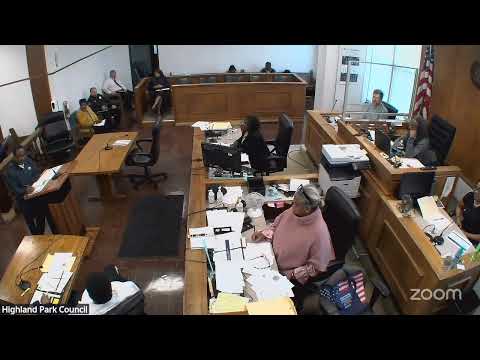
Damon, who presented the water and sewer fund overview at Monday’s workshop, told council the department is not proposing a rate increase this year but is pursuing a resolution to legacy billing methodology and overdue account collection.
Damon said the water and sewer fund had projected revenues of about $9.4 million for FY26, down from roughly $9.6 million the prior year largely because the city reduced stormwater charges by about $228,000 after installing meters. He said meter installations and other adjustments produced roughly $800,000–$900,000 in savings on the authority payment and reiterated the city’s demand for a larger correction by the regional authority.
Damon said, “We're asking for $1,500,000 credit for FY26, and then we're also asking that that 1,500,000 be carried forward in FY27.” He told council the city disputes a decades‑old model that lists Highland Park with an inflated population and therefore an inflated charge; Damon said the city wants CSO shares based on metered flow instead of the old model.
On collection and delinquencies, Damon and council members described a sizable outstanding balance tied chiefly to commercial and abandoned properties. The deputy clerk and council members said the city’s accounts receivable included roughly $7,000,000 in outstanding balances from a mix of commercial accounts, abandoned properties and land bank exemptions; Damon said about 60% of a recent one‑year deficit was commercial accounts and about 300,000 was residential.
To address unpaid accounts, Damon proposed returning to council on May 4 with an amnesty program that would allow eligible delinquent accounts to pay 50% and have the remainder wiped: “You owe a $100, you pay 50%,” he said. He said the amnesty would target older accounts (over one year) and that remaining unpaid balances could be placed on the tax roll or pursued through liens and litigation if necessary.
Damon also noted operational enforcement steps: the city uses Neptune software to detect illegal connections and straight‑piping and has worked with the police department on theft investigations. He urged a combination of the amnesty program, targeted enforcement and incentives (rain gardens, disconnecting downspouts, rain barrels) to reduce stormwater volumes and ease the billing burden.
Next steps: staff will return with the amnesty proposal and additional documentation, and the council will schedule the required public hearing and follow‑up votes on any ordinance or collection changes.