Get AI Briefings, Transcripts & Alerts on Local & National Government Meetings — Forever.
House advances timeline legislation to speed municipal public-sector bargaining
Loading...
Summary
The House perfected a committee substitute for HB3283/3306 to create a staged bargaining timeline for municipal public-sector contract disputes (180 days negotiation, 90 days mediation, 45 days arbitration) and to define 'good faith' for bargaining parties; supporters said the bill reduces prolonged impasse and litigation.
The Missouri House perfected the House Committee substitute for House Bill 3,283 (and companion 3306), a measure to impose a structured timeline and process on municipal public-sector bargaining disputes.
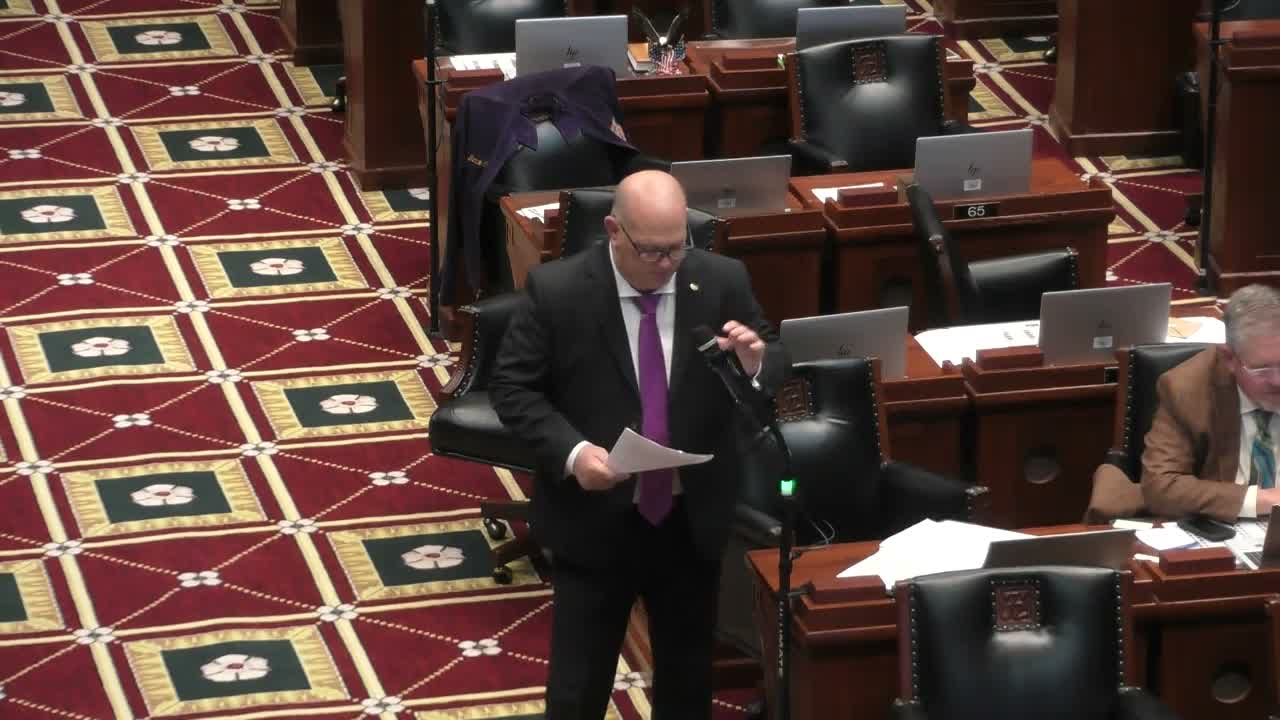
Sponsor (Representative from Clay, S6) described the bill as a practical framework to move negotiations to resolution and avoid years-long disputes: the bill sets an initial 180-day negotiation period, followed by a 90-day mediation period (mutually agreed mediator or one chosen by the state board of mediation), and if unresolved then a 45-day arbitration window with a specified process. The sponsor said the bill also clarifies the statutory definition of "good faith" as applied to bargaining and narrows the covered employees to those under the state board of mediation (excluding teachers and certain law enforcement by cross-reference).
Floor discussion reviewed the amendment that tightened definitions and exclusions; members representing firefighters and first responders voiced support, citing long delays in local contract resolutions. Some members asked whether the bill would change existing provisions about the public sector governing board's ultimate role; the sponsor acknowledged the bill could modify those processes and suggested further legal review. The committee substitute and an amendment were adopted and the substitute was perfected and printed.
Supporters framed the bill as a taxpayer-protection and labor-relations improvement; opponents raised questions about removal of local authority and potential court challenges. The transcript records adoption by voice vote.
Next steps include potential enrollment and Senate consideration.