Get Full Government Meeting Transcripts, Videos, & Alerts Forever!
Get email alerts on the Noise Wall topic
No spam. Unsubscribe anytime.
Austin council asks MnDOT to remove I‑90 noise wall after residents object to doubled costs
Summary
After residents said earlier assurances and engineering work had led them to expect lower assessments, the Austin City Council voted unanimously to request that MnDOT remove the sound‑wall portion from the I‑90 project and proceed with the pedestrian‑bridge work only.
The Austin City Council voted May 4 to request that the Minnesota Department of Transportation remove a planned I‑90 noise wall from the current bid advertisement after updated cost estimates roughly doubled the project’s local share.
City staff said MnDOT’s new estimate raised the total project cost from about $1 million to about $2 million, moving the city’s share from roughly $100,000 to about $200,000 and increasing the assessments for 11 benefiting properties. City engineer Steven Lang told the council that MnDOT could delay bidding by about a month to modify plans and specifications to remove the sound wall, and outlined a five‑step process the city would need to complete to formally withdraw from the sound‑wall portion while preserving the pedestrian‑bridge work.
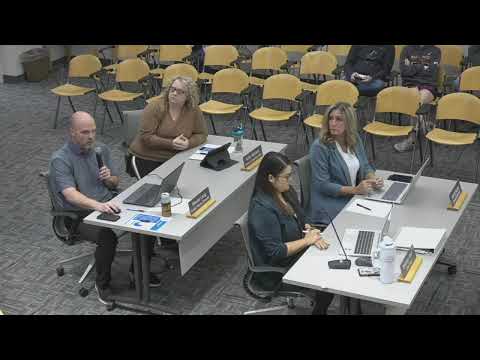
The change prompted multiple residents to urge the council to keep the noise wall in the project or to explain why the cost rose so much. "We respectfully ask the council to honor its prior decision, keeping the noise wall as part of the MnDOT project and allow this long planned solution to move forward," resident Susan Bedner told the council, saying neighbors had supported the wall based on prior estimates and that substantial engineering and planning work had already been completed.
Neighbor Gary Quidnow said he canvassed nearby houses and found most would not accept the higher assessment: "Of the 9 people I talked to, 9 of them said ... we would stand behind that and pay it. But as far as the extra cost ... I got 9 no's," he said, adding his own assessed share rose from about $9,700 to roughly $21,000 under the new numbers.
Council members pressed residents for preferences and noted the city’s constrained budget. One council member described the choice as "either we do not do the wall or the cost for all of us, the city and the residents double." Council discussion emphasized two clear options: accept the higher costs or withdraw the city’s participation in the sound wall. Several council members said neighbor feedback would help determine their votes.
After public comment and discussion, a council member moved to cancel the city’s participation in the sound‑wall portion of the MnDOT project; another council member seconded the motion. The council then took a roll‑call vote and the resolution requesting MnDOT remove the noise wall from the current advertisement passed 6‑0.
Council members and staff said that if the city formally withdraws from the sound wall, the city would later terminate its existing cost‑share agreement for the full dual project and approve a new maintenance agreement covering the bridge only. Lang said the revised schedule would still likely allow fabrication and construction to begin on the bridge in 2027 because MnDOT’s fiscal year ends June 30 and bidding can be delayed about a month without derailing the broader timetable.
Residents raised procedural concerns in public comment, saying they had been told earlier the assessment amounts "would not exceed" the figures discussed in 2023 and that some residents relied on that assurance when supporting the project. Staff clarified that because council elected to delay issuing formal assessment notices in 2023, those notices were never sent and could not legally be raised afterward; Lang said that context explained the earlier comments about assessment limits.
The council’s resolution asks MnDOT to remove the noise‑wall portion from the current bid; council members voted to approve that request and move forward with the bridge work and associated plan changes.
The motion carried without recorded dissent. The council did not vote on any alternative funding mechanism at the meeting; council members said they will weigh resident input and budget constraints in future discussions.