Lifetime Citizen Portal Access — AI Briefings, Alerts & Unlimited Follows
Senate committee advances $25M increase to parental choice tax credit after heated debate
Loading...
Summary
The Senate Rules Committee voted to raise the annual cap on Oklahoma’s parental choice tax credit from $250 million to $275 million, advancing HB 3705 to the floor after extended questioning over refundable-credit mechanics, reporting and whether the program diverts state revenue from other priorities.
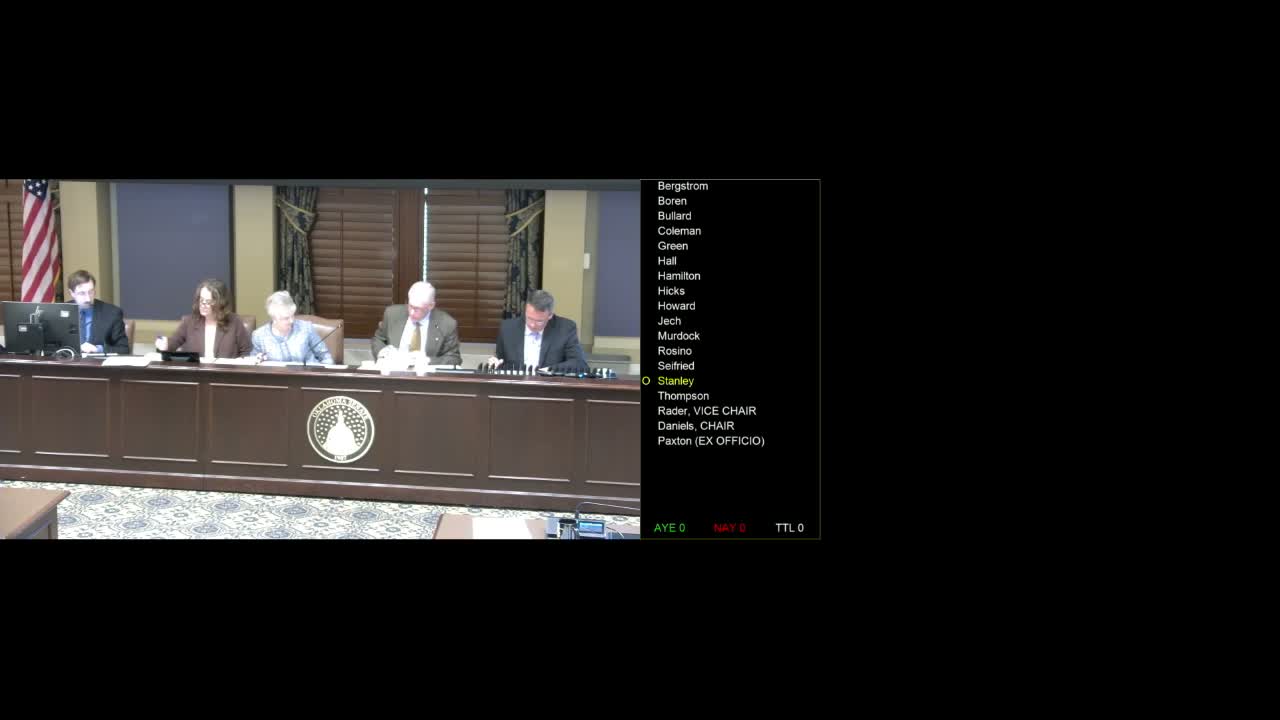
The Oklahoma Senate Rules Committee advanced House Bill 3,705 on April 21, voting to raise the annual cap for the parental choice tax credit by $25 million to $275 million. Sponsor Senator Daniels said the modest increase responds to rising parental demand for the program and emphasizes that credits go directly to schools rather than to parents.
The bill drew sustained questioning from members who asked for clearer fiscal accounting, reporting requirements, and data on whether the program is changing private- versus public-school enrollments. Senator Boren said committee members deserved an explicit accounting of how the refundable credit functions and the program’s budgetary impact. "Over from 2024 to 2027, dollars $970,000,000 worth of those collective income taxes are set aside for this refundable tax credit..." he said, framing the issue as a substantial multi-year fiscal set-aside; the author and proponents replied that the amounts discussed are annual caps and not a single multiyear appropriation.
Sponsor’s description and mechanics Senator Daniels told the committee the credit is refundable and goes to the school to cover tuition or part of tuition; "This tax credit... it goes directly to the school. It does not go to the parent. They don't pocket any of it," he said. Daniels and other supporters argued the program expands access for families who otherwise could not afford private tuition and said rising demand indicates parental satisfaction.
Questions and concerns Opponents pressed for better reporting and transparency. Senator Hicks and others asked whether the program includes work requirements, how reapplication windows operate and whether outcomes are being tracked. The sponsor said income level determines eligibility and that the program’s reporting already tracks new enrollees, income categories and numbers qualifying for welfare programs; he also agreed to provide supplemental fiscal details for the floor packet.
Fiscal and participation figures discussed The author provided participation figures the committee recorded: 39,587 children had accessed the credit as of the April report, and the sponsor described income tiers and maximum per-child credit amounts (the lowest-income families can qualify for up to $7,500 per child, subject to tuition amounts).
Closing and next steps After extended debate and requests for more fiscal clarity, the committee voted 13 ayes and 3 nays to advance HB 3705 to the Senate floor. The author will be asked to include supplemental fiscal analysis and any additional reporting requirements when the bill goes forward for floor consideration.
The committee's action does not change law; it simply reports the bill to the Senate floor where final debate and votes will occur.