Get Full Government Meeting Transcripts, Videos, & Alerts Forever!
Get email alerts on the K12 Funding topic
No spam. Unsubscribe anytime.
Shorewood officials warn state budget recommendation could force referendum after ‘$0’ general-aid proposal
Summary
The superintendent told the Shorewood School District board that the Joint Finance Committee’s draft budget includes a $0 increase in general aid, contrasting with Gov. Evers’ $1.19 billion proposal, and warned the gap could push the district back to voters for another operating referendum.
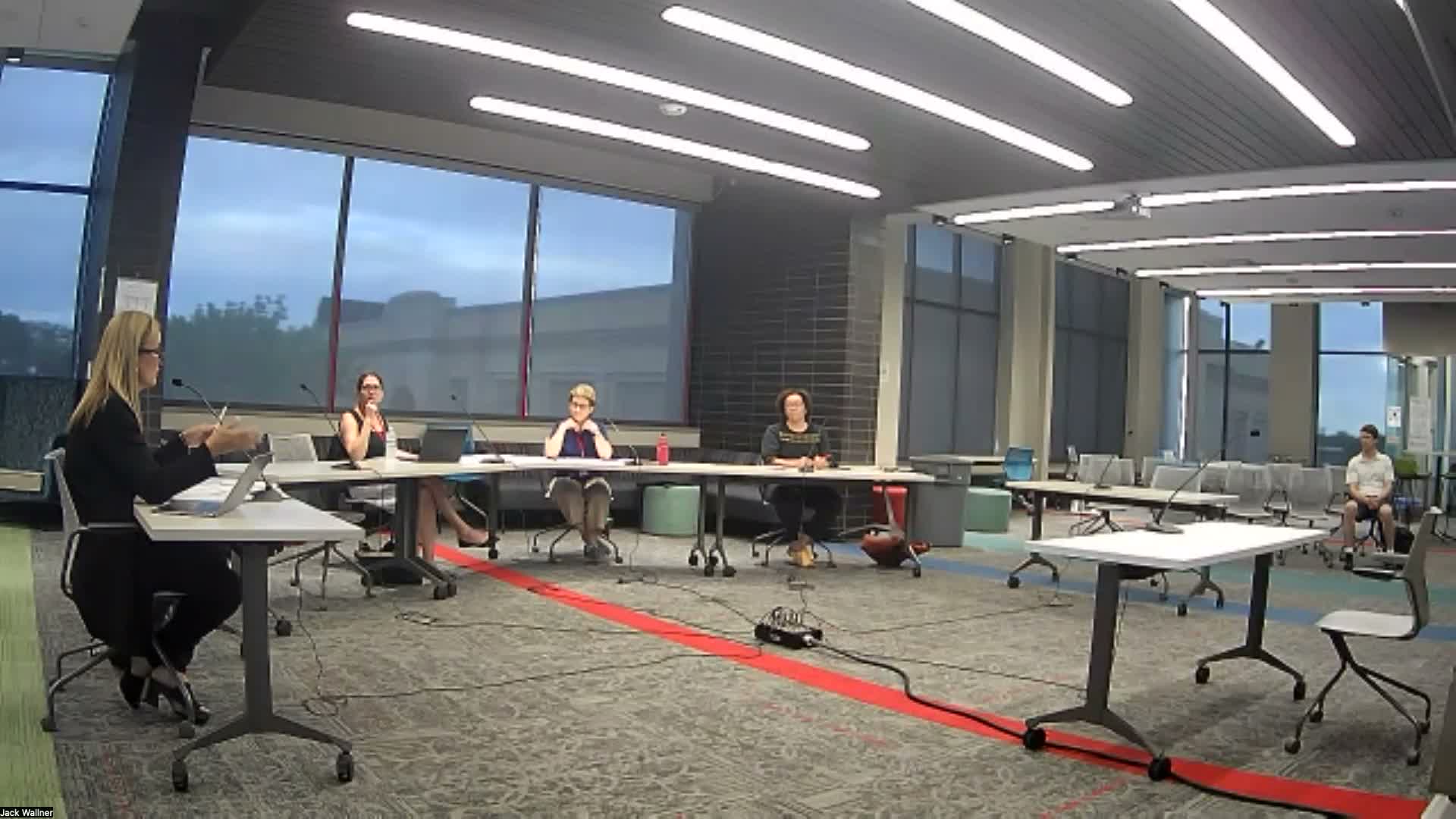
The superintendent told the Shorewood School District board on June 24 that the state Joint Finance Committee’s draft budget recommends a "$0 proposal for an increase in general aid," a change the superintendent described as "shocking" and likely to increase pressure on districts to seek operating referendums.
The superintendent contrasted the JFC recommendation with Governor Tony Evers’ proposal, saying the governor had proposed $1,190,000,000 in general aid. "School finance is complicated, but something that is not complicated is the difference between 1,200,000,000 and 0," the superintendent said, adding that a $0 increase would leave districts relying more often on local referendums to meet rising costs.
The superintendent also summarized the JFC’s proposed changes to special education funding: raising the primary special education reimbursement from about 30% to 35% in year one and 37.5% in year two, and increasing high-cost special education categorical aid with a proration the superintendent quoted as "5090%" in the meeting. The superintendent said those figures represent a modest state increase compared with the need; for Shorewood she estimated the JFC changes would yield roughly $27,000–$49,000 in high-cost aid versus "over $1,000,000" under a scenario in which primary reimbursement rose to 60%.
Board members and the superintendent emphasized Shorewood is "not in a crisis," noting the district’s prior operating referendum and efforts to align staffing to enrollment. But the superintendent warned that the district may need to return to voters depending on the final budget and called for public engagement and careful planning. She said staff would provide further financial forecasts and that July 1 (the fiscal year start) heightens the urgency of clarity on state funding.
The superintendent also flagged new state requirements and local implications: Act 12 reporting obligations for grades 9–12 and compliance work related to Act 20 (reading/promotion rules). Staff said they are consulting attorneys and policy experts to interpret reporting triggers, privacy trade-offs and operational impacts.
Next steps: the district will further refine its financial forecast, convene a task force to study enrollment and facility scenarios (see separate coverage), and engage the community about potential options, including the possibility of an operating referendum if state funding does not materialize in a form that meets local needs.