Get Full Government Meeting Transcripts, Videos, & Alerts Forever!
Get email alerts on the Technology topic
No spam. Unsubscribe anytime.
Shorewood board hears library & technology plan focused on E‑rate, ClassLink and device replacement
Summary
District leaders outlined a combined library/media and technology plan emphasizing diversified funding (E‑rate, capital replacement, Seed/Shore Foundation grants), resource centralization in ClassLink and Destiny, strengthened data privacy and multifactor authentication, and a device replacement cycle that may deliver higher‑power Chromebooks to upper grades over time.
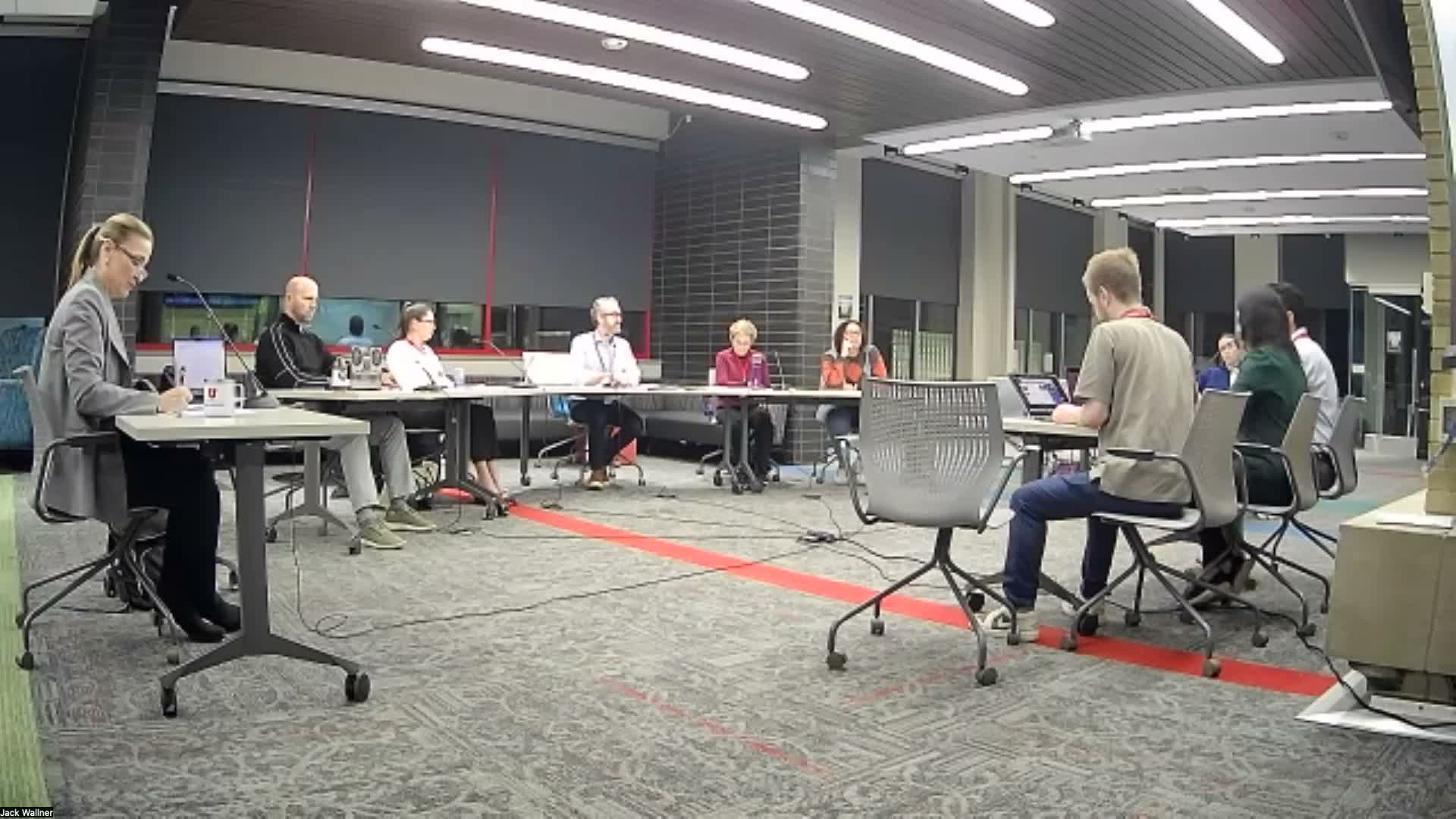
District technology and library leaders presented the Shorewood School District’s combined library, media and technology plan on Feb. 24, describing funding strategies, resource consolidation, privacy safeguards and a multi‑year device replacement plan.
Mike Joynt, who led the presentation, said the plan aligns with the district strategic plan and the state’s “future ready” framework. Jack Wallner, who discussed technology funding and infrastructure, emphasized using a mix of funding sources — for example, E‑rate for eligible networking and infrastructure and capital replacement funds for other capital expenses — to limit surprises and time purchases to grant application windows.
“We were able to do a core switching upgrade where roughly 50% was paid through fund 41 capital replacement and over 50% was paid through E‑rate,” Wallner said, explaining that forecasting replacement cycles helps the district align budgets and grant applications.
Elizabeth Russell, the district librarian, described how the Wisconsin Common School Funds support library purchases (books, makerspace kits, databases) and noted that purchases must be used by June 30 and reported to the state. She also demonstrated Destiny/Follett and Destiny Discover as the district catalog tools and explained how ClassLink serves as a centralized hub for digital resources and usage dashboards.
Presenters said ClassLink data allows administrators to monitor per‑app utilization and license counts so the district can “right‑size” licensing. They also pointed to several instructional tools funded through community partners: Book Creator (used from elementary through high school), News‑O‑Matic for K–6 nonfiction articles, and recent iPad and PLTW hardware purchases supported by Seed and the Shore Foundation.
On data and privacy, staff described ongoing audits of who has access to student records, age‑appropriate multifactor authentication in ClassLink, rolling password policies and efforts to align access rights within Infinite Campus to legitimate educational interest. Wallner said the district had experienced only minor incidents that were mitigated by existing systems but stressed the importance of continuing updates to authentication and monitoring.
Regarding devices, the presentation acknowledged student complaints later raised in the meeting about Chromebook performance and connectivity; administrators said a tiered replacement plan is in place and that incoming freshmen will receive somewhat higher‑powered devices as the replacement cycle phases in. The board requested follow‑up on Chromebook longevity and replacement timetables.
No formal board action was required at the conclusion of the presentation; administrators said they will continue to report utilization data and adjustments to licensing and replacement plans.