Get Full Government Meeting Transcripts, Videos, & Alerts Forever!
Get email alerts on the Finance topic
No spam. Unsubscribe anytime.
Idaho Falls considers 5-year cost-allocation policy that would shift IT and utility costs
Summary
Councilors heard a proposal to allocate indirect city costs using five-year averages of actuals; staff said the change smooths spikes but would shift IT costs and raise allocations to enterprise funds (notably power and airport) and will be brought back for adoption May 7.
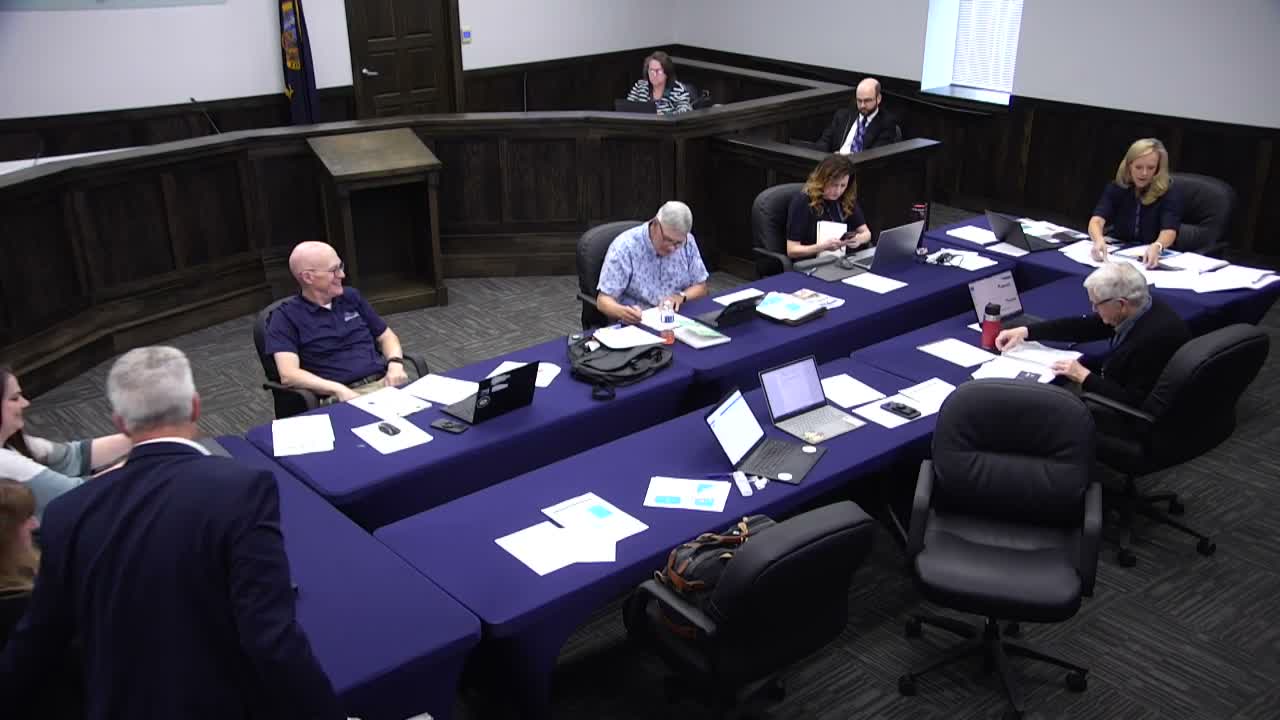
City finance staff presented a proposed cost-allocation policy to the Idaho Falls City Council on April 20 that would allocate citywide indirect costs (IT, HR, finance, municipal services administration and similar divisions) using five-year averages of actual expenditures rather than budget-based drivers.
Finance staff explained the intent: to create a repeatable, documented methodology that reduces year-to-year volatility and better reflects how services have been used over time. "We're trying to make it so that we can at least have a 3-year run at this particular policy without having to go in and change it," a finance presenter said.
Staff outlined how the methodology works: the city would compute five-year averages (backing out debt service and certain pass-through amounts) and apply drivers (personnel costs, square footage, customer counts where applicable) to determine each department's share. Utility-billing and IT direct charges would be carved off before allocations; airport would pay for one dedicated IT FTE directly.
Councilors and directors raised concerns about the practical impact. Finance staff said the biggest shift was in IT allocations, moving roughly $1 million out of the general fund into other funds and noting a substantial impact on Idaho Falls Power (an estimated increase on the order of multiple millions). Staff estimated the largest single impact to power at about $8,900,000 in allocation shift in the example discussed, which led to detailed discussion about equity and operational priority for critical systems. Airport leadership flagged a potential perception or compliance concern if large capital projects were included in the five-year average; staff said the averaging is intended to smooth spikes but agreed to validate methodology against FAA rules and consider weighting or special treatment for very large, infrequent capital projects.
Council members generally supported moving forward with further work and asked staff to bring a corrected draft (with one clerical court-exclusion fix noted) and more illustrative redlines to the May 7 agenda to allow the budget team to finalize numbers for the coming fiscal year. Staff also proposed a three-year implementation window to allow departments to adapt and an appeals process for disputed allocations.
Next steps: staff will provide a corrected draft policy and supporting exhibits, including department-level impacts and an appeals process, for council consideration ahead of the May 7 agenda and the upcoming budget cycle.