Get Full Government Meeting Transcripts, Videos, & Alerts Forever!
Get email alerts on the Technology Costs topic
No spam. Unsubscribe anytime.
District technology director warns of soaring device costs, urges board to weigh funding and program changes
Summary
Tim Miles, Steamboat Springs School District No. Re 2 director of technology, told the board on March 2 that global shortages and steep price spikes for memory and hardware have pushed device-replacement costs far above prior budgets, prompting the district to prepay some orders and consider changes to its 1:1 Chromebook program or new local funding.
Tim Miles, director of technology for Steamboat Springs School District No. Re 2, told the board on March 2 that sudden, industry-wide price increases for memory and storage components have driven the district’s device and infrastructure costs sharply higher, and that the district has already prepaid some purchases to lock in next-year prices.
"Cyber is huge," Miles said during his presentation, describing repeated phishing and impersonation attacks against district staff and examples of payroll fraud. "It's getting very serious," he added of the threat landscape.
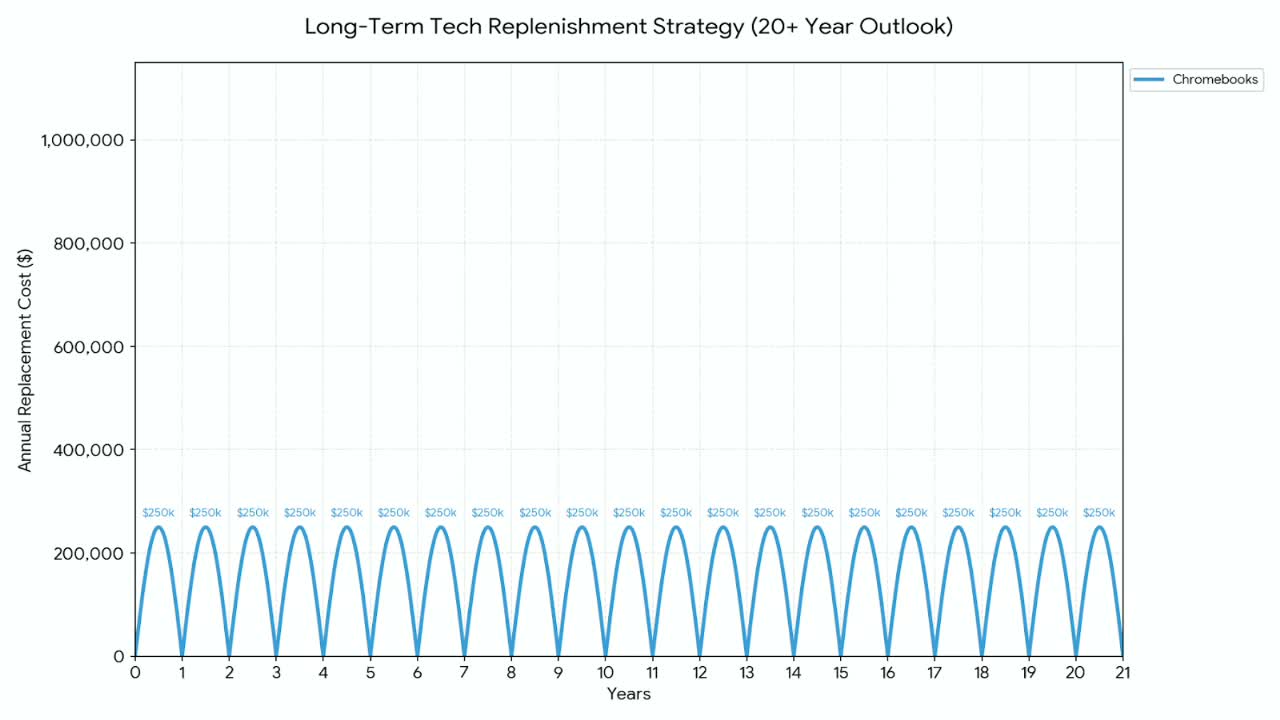
Miles walked trustees through the district’s long-running enterprise network and regional role in Northwest Colorado Broadband, then moved to procurement and budget detail. He said the district’s historical hardware replenishment line that previously covered replacement and upgrades at roughly $300,000 is now being pushed toward about $440,000 by climbing device prices. He told the board Chromebooks that once cost a little over $100 are now "just under $500 all in," and that replenishment cycles he had planned at four years are under pressure.
To reduce near-term risk, Miles said the district prepaid some Chromebook and staff laptop orders to lock pricing. "We prepaid for next year," he said, crediting district staff for finding funds to buy devices at this year’s prices. Miles warned that some vendors now quote prices only at shipment or revise quotes monthly; he said Cisco recently confirmed it does not hold quoted prices and that Apple has stopped leasing certain devices.
Board members raised instructional dependence and student screen-time concerns as part of the trade-offs. Trustee Laura said she was "surprised" by the scale of the increases and asked whether the district should reconsider 1:1 device ratios at elementary grades. Trustee Kim warned reducing devices would require retooling curriculum and add work for teachers.
Miles outlined options the district will examine: seeking additional local revenue (he suggested a replenishment levy or a half-cent sales tax as possible models), adjusting device-replacement cycles, moving to a 2:1 or 3:1 device ratio for some grades, or finding tens of thousands in software savings to reassign to hardware. He estimated replacing 600 district iPads could cost roughly $250,000. Miles said industry analysts he spoke with expect supply stabilization in 2027–28 but cautioned the next 12–24 months will be challenging.
The presentation did not include a formal board vote on funding changes. Superintendent Celine Wicks and district staff will continue budget planning and return with options for the board to consider as part of the fiscal-year 2027 budget timeline.
Next steps: staff said they will continue identifying budget offsets, potential revenue options and program design changes for trustees to review in upcoming meetings and work sessions.