Lifetime Citizen Portal Access — AI Briefings, Alerts & Unlimited Follows
District 2 board hears proposed $146.3 million budget with $2,000 minimum teacher raise
Loading...
Summary
District 2 staff presented a proposed FY budget that would mirror the state House Ways and Means plan, include at least a $2,000 increase for each teacher salary step, propose a starting teacher pay of $52,250, outline a $5.7 million technology refresh and list 41.5 proposed growth FTEs; the board will take first reading in May and hopes to adopt in June.
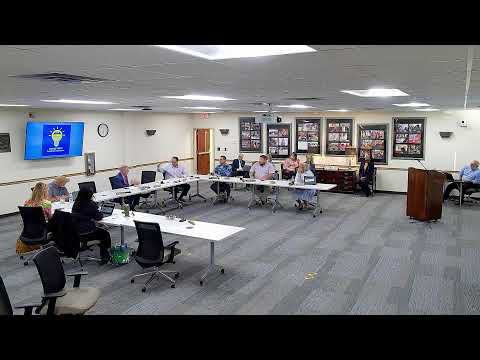
The District 2 School Board on Tuesday heard an overview of the district’s proposed fiscal year budget and a package of staffing and capital priorities that staff said would leave the general fund balanced under current House Ways and Means projections.
Miss Gist, who led the presentation, called the budget “a living document” and said the district begins budget planning with principals and directors in January. She told the board that about 70% of the district’s general fund revenue comes from state sources and the remaining roughly 30% from the local tax base, making the district particularly sensitive to changes in state funding.
Gist said staff plans to mirror the House Ways and Means proposal by including at least a $2,000 increase to each step on the teacher salary schedule. "So at minimum, a $2,000 increase to each step on the teacher salary schedule," she said, and added that the proposed starting pay for District 2 would be $52,250. Gist estimated the overall proposed revenue increase from this year to next year to be a little over 9%.
Gist described the state’s post‑2022 funding model, now called state aid to classroom, saying it focuses on the cost of a teacher and staffing ratios rather than prior student‑membership formulas. Using the House projections she reviewed, Gist said roughly 85% of the district’s classroom aid would come from the state with about 15% locally funded under that version.
On local revenue limits, Gist explained the effect of Act 388: owner‑occupied property is not available for operational taxing under the law, and a mill cap tied to CPI and population growth limits annual increases. She offered examples and county figures showing assessed‑value totals and said the district receives tiered state relief; she said the district is about $5.5 million short of what it could generate if owner‑occupied property were taxable.
On staffing and positions, Gist told the board the proposal includes 41.5 growth positions (certified, classified, clerical and support roles) and would continue step increases for eligible employees across pay scales. She reviewed historical pay progress — the starting pay was about $34,028 in 2017–18 — and said the district has expanded its salary schedule to 34 steps to reward experience.
Gist also outlined capital priorities in a five‑year plan focused on maintenance and technology rather than new construction for the coming year. Year‑1 items include $2.5 million for annual maintenance (painting, carpeting, roof and chiller work), a $5.7 million allocation for iPad/device refreshes, $350,000 for vehicle and bus replacement and $600,000 set for school capital requests. She said facility construction projects will be discussed separately after the facility study concludes.
Gist cautioned that the presentation used House budget projections and that the Senate finance committee numbers were still pending; staff will update the board in May when new figures are available. She said the board will see the first reading of the general fund budget at its May meeting and the second and (hopeful) adoption in June.
A board member asked a clarifying question about weapons detectors already leased by the district. A fellow board member said the equipment rollout has gone well and that the district is exploring portable units for athletic events using capital funds.
The meeting included routine procedural votes (agenda approval and adjournment); no formal vote was taken on the budget itself at Tuesday’s meeting.
The board is scheduled to receive the first reading of the proposed general fund in May and to consider final adoption in June, when updated Senate revenue figures may be available.