Get Full Government Meeting Transcripts, Videos, & Alerts Forever!
Get email alerts on the Tax Policy topic
No spam. Unsubscribe anytime.
High Point council adopts resolution opposing state limits on local property‑tax authority
Summary
The council added and unanimously adopted a resolution urging the North Carolina General Assembly to reject legislation or a constitutional amendment that would limit municipalities' authority to set property tax rates, citing potential impacts on services and local budgeting.
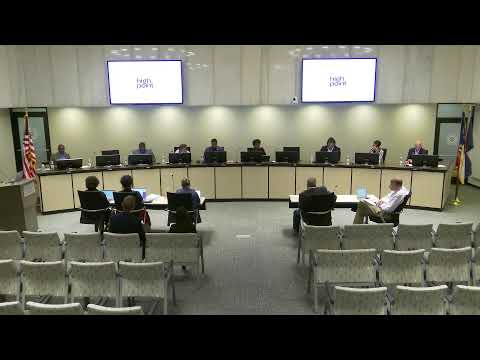
The High Point City Council voted to adopt a resolution opposing any legislation or constitutional amendment that would limit local governments’ authority to set property tax rates.
Mayor Cyril Jefferson opened the added agenda item by describing the city’s concern that restrictions from the General Assembly could restrict municipalities’ ability to respond to population growth, inflation and emergencies and could reduce revenue for essential services such as police, fire, community development and infrastructure. Jefferson framed local officials as best positioned to evaluate community needs and emphasized the city’s transparent budget process and history of adjusting rates following property valuations.
Several council members spoke in support of the resolution’s intent but asked for clearer specificity from the General Assembly about what form any limits would take. One councilmember noted that the state constitution allows a maximum rate (example cited in discussion: $1.50 per $100 valuation) and asked for more precise language from Raleigh; another warned that without specifics the public’s reaction to recent valuation increases is driving some pressure for caps. A councilmember also cautioned that if property‑tax authority were curtailed the city might need to consider other revenue sources, such as occupancy taxes, which could be more regressive.
Mayor Jefferson moved to approve the resolution, Mayor Pro Tem Peters seconded, and the council voted aye; the resolution will be transmitted to the High Point legislative delegation and leadership of the North Carolina General Assembly.
What happens next: the council’s resolution registers the city’s formal opposition and will be delivered to state delegates and General Assembly leadership; any proposed state legislation or amendment would be subject to further debate at the state level.