Lifetime Citizen Portal Access — AI Briefings, Alerts & Unlimited Follows
Solid-waste staff demonstrate backyard composting at Harris Lake County Park
Loading...
Summary
County solid-waste staff demonstrated backyard composting basics at Harris Lake County Park, advising residents that passive piles can take about a year to mature while actively managed batches can finish in 3–4 months; presenters also reviewed what to put in and what to keep out of home compost bins.
John Hamlin introduced a backyard composting demonstration at Harris Lake County Park and spoke with Bianca Howard of the solid waste management division about simple steps residents can take to compost food and yard waste at home.
Howard said composting timelines vary with effort: "If you do nothing but add materials to your bin and keep it moist, you could have compost ready in about a year." She added that residents who turn a batch regularly or build a batch all at once can accelerate the process and have compost in as little as "3 to 4 months." The demonstration emphasized a practical approach to the carbon-to-nitrogen balance: "try to have twice as much brown material as you do green material," Howard said, referring to dry, carbon-rich materials such as leaves and twigs versus wetter, nitrogen-rich food scraps and grass clippings.
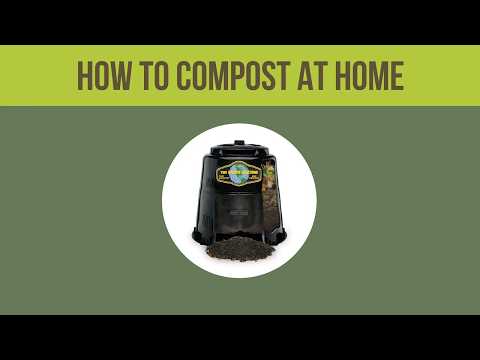
Howard walked through placement and maintenance tips: keep the bin close to the house and within reach of a hose, avoid full sun and obstructions that block ventilation slats, and start a pile with a two-inch layer of twigs to improve aeration. She recommended keeping materials roughly 2 to 6 inches in diameter and using common garden tools to break down large branches. For kitchen storage, Howard suggested a ventilated pail with a tight lid for food scraps and described turning tools made for Earth Machine-style bins (or a pitchfork as an alternative) to mix contents and introduce oxygen.
She cautioned residents on materials to exclude from backyard bins: "You never have to memorize it. . . some of the key things to avoid are meat and dairy products," she said, adding that those items break down slowly and can attract rats. Howard also advised against greasy or oily foods, plants treated with pesticides, and weeds that have already gone to seed.
On finished compost, Howard said it should look "dark brown to black and it's crumbly" with an "earthy smell" and that you "shouldn't recognize what you put into it." She described common uses, including mixing finished compost into potting mixes, spreading a top layer on garden beds or digging it into new beds to improve soil and reduce watering needs. Hamlin closed the segment thanking Howard and saying he hoped to "keep some extra trash out of the Wake County Landfill."