Lifetime Citizen Portal Access — AI Briefings, Alerts & Unlimited Follows
Naperville students tell district leaders belonging is up but cyberbullying persists
Loading...
Summary
Student leaders from Naperville CUSD 203’s superintendent student advisory council reported improved belonging and inclusion in Panorama survey results but flagged cyberbullying as a primary safety concern and recommended peer-led campaigns and clearer resources across schools.
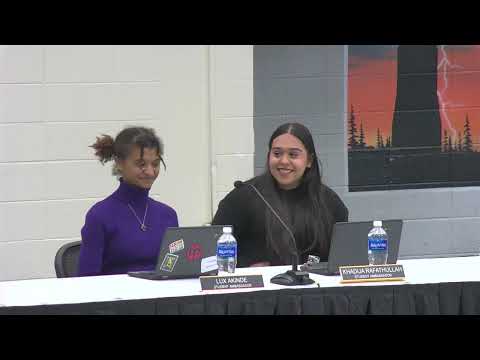
Student leaders from Naperville CUSD 203 presented districtwide findings and recommendations at the school board’s April 20 meeting, saying measures of belonging have improved while online disrespect remains a top safety worry.
The SSAC — a superintendent student advisory council representing grades 6–12 — delivered a data-driven report to the board. “Our theme this year at the SSAC is listening to lead,” said Gavin from Team Lincoln, describing five meetings during which students analyzed Panorama survey data and drafted recommendations for the district.
Student presenters highlighted gains and gaps. Vivonne Agarwal of Team Kennedy cited a 12% increase in positive “belonging” responses between spring 2025 and fall 2025, and Liam Allen Wagner of Naperville Central told the board that 73% of students report collaborating across racial and cultural lines and 87% say staff treat students fairly. Those figures, students said, reflect successful efforts to expand clubs, advisory time and staff check-ins.
At the same time, Hadley Benson and other SSAC members said cyberbullying remains a persistent problem. “One safety concern that is most prevalent now more than ever is cyberbullying and online disrespect,” Benson said, urging wider recognition of the district’s “Report Not Repost” campaign. SSAC recommended publicizing the program, displaying resources on school monitors, and launching a peer-to-peer awareness campaign so students know how to report abuses rather than circulate them.
Students also suggested clearer, more consistent instruction about school rules across middle and high schools to reduce confusion about expectations. “We might need clearer and more consistent teaching of school rules at both the middle school and the high schools,” Henry of Team Washington said.
Administrators and board members praised the student presenters and recognized each SSAC member. The board did not take immediate action on new policy as part of the presentation; the report was acknowledged for follow-up and for informing ongoing district work on school climate and safety.
The district plans to continue collaborating with student leaders and to incorporate SSAC feedback into future decisions and communications.